EN

ABOUT US
- Shounan Street URban Industrial Park,YinZhou District,NingBo City, ZheJiang, CHINA.
- +86-15381988180
- [email protected]

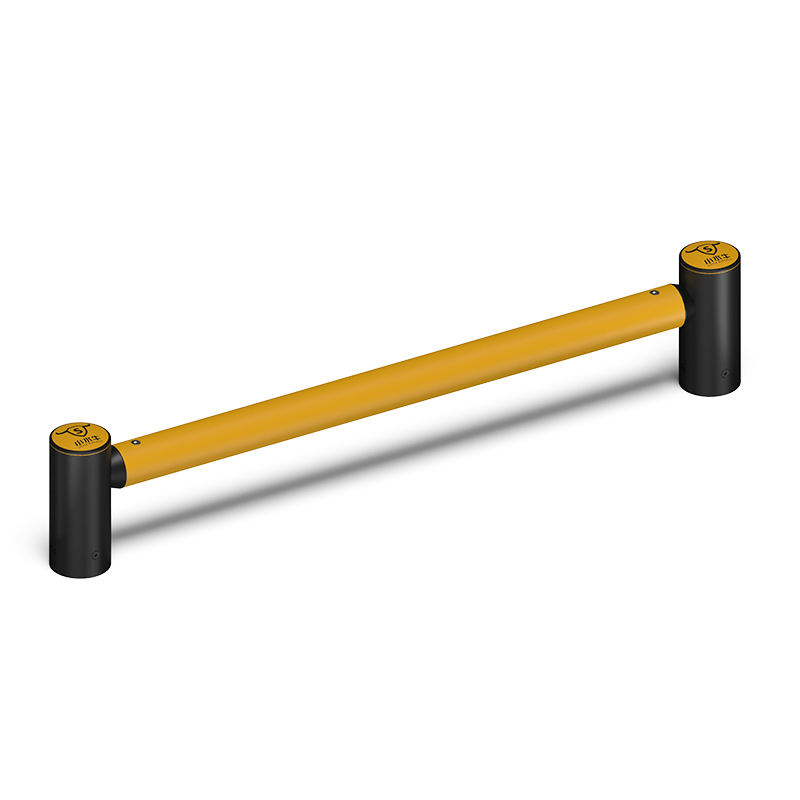
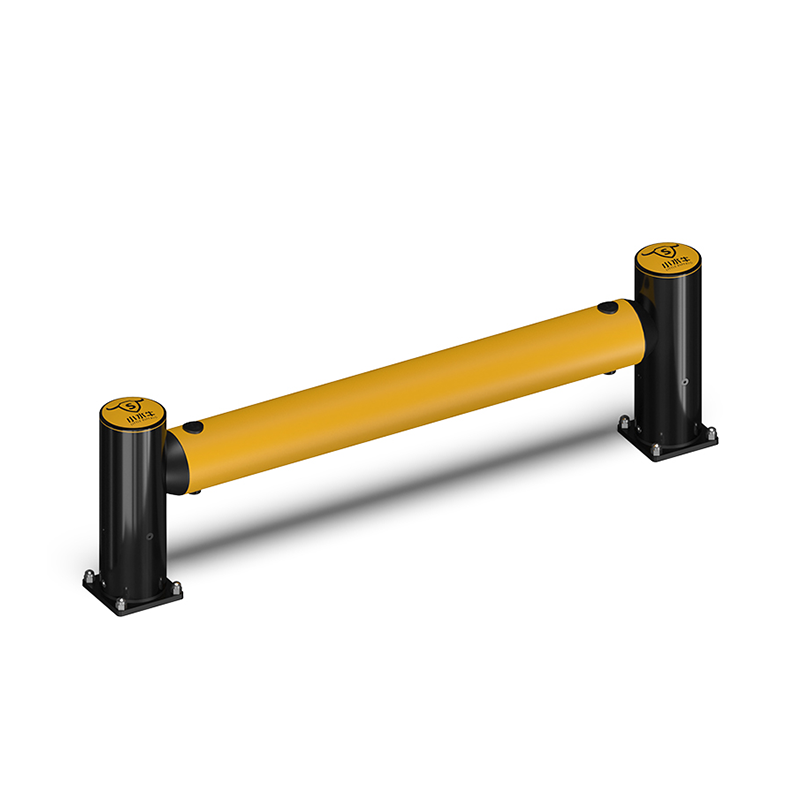
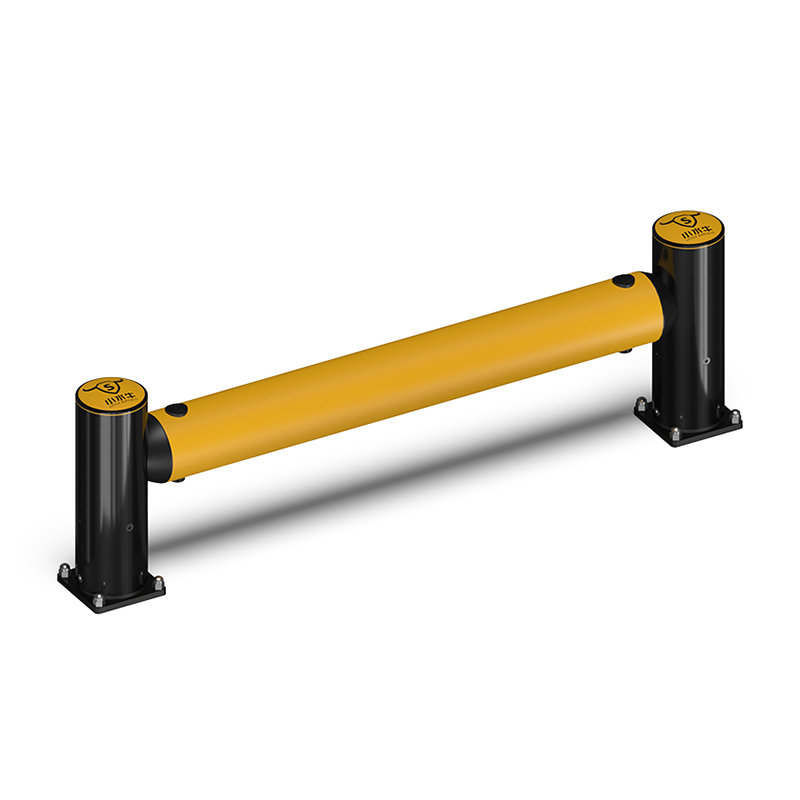
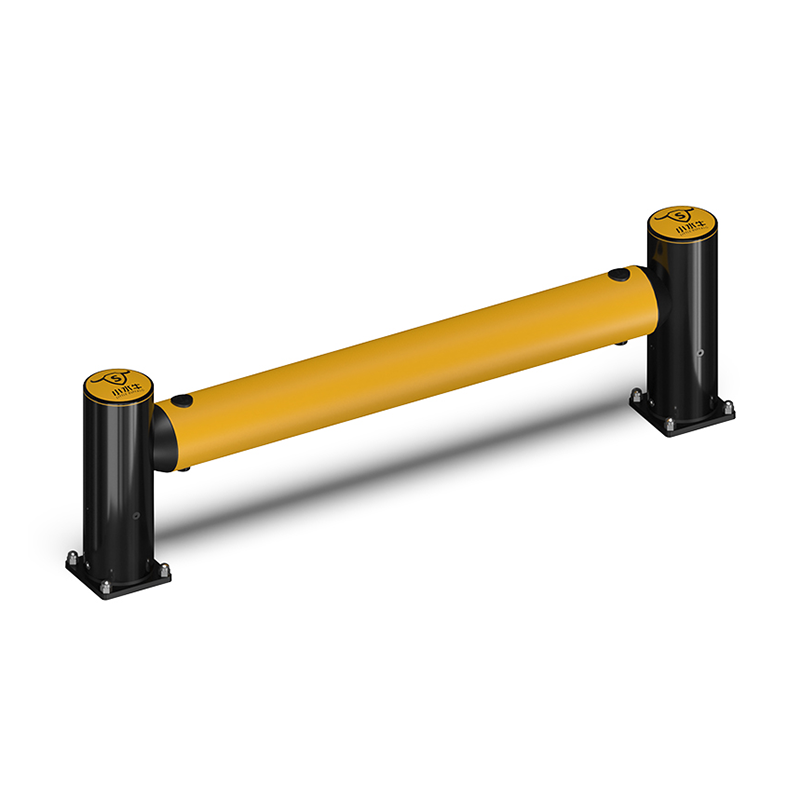
Selecting the right flexible safety barrier manufacturer shapes more than the purchase price — it determines how a facility absorbs daily impacts, protects people, and stays operational for years. Generalist suppliers often resell generic products without controlling the polymer formulation or production tooling. A specialist, by contrast, owns the material science and the manufacturing process from raw compound to finished guardrail.
A credible flexible safety barrier manufacturer invests in polymer chemistry rather than off-the-shelf plastic profiles. The core value of a flexible barrier lies in impact absorption: under forklift impact, the rail deforms and stores energy, then springs back to its original shape. This self-recovering behavior prevents the bent posts and cracked floors common with rigid steel systems. Polymer grade and filler ratio are tuned so the barrier performs across temperatures without brittle failure.
Material testing separates serious suppliers from box-movers. Laboratory checks on tensile strength, UV resistance, and low-temperature rebound confirm the polymer barrier survives years of service.
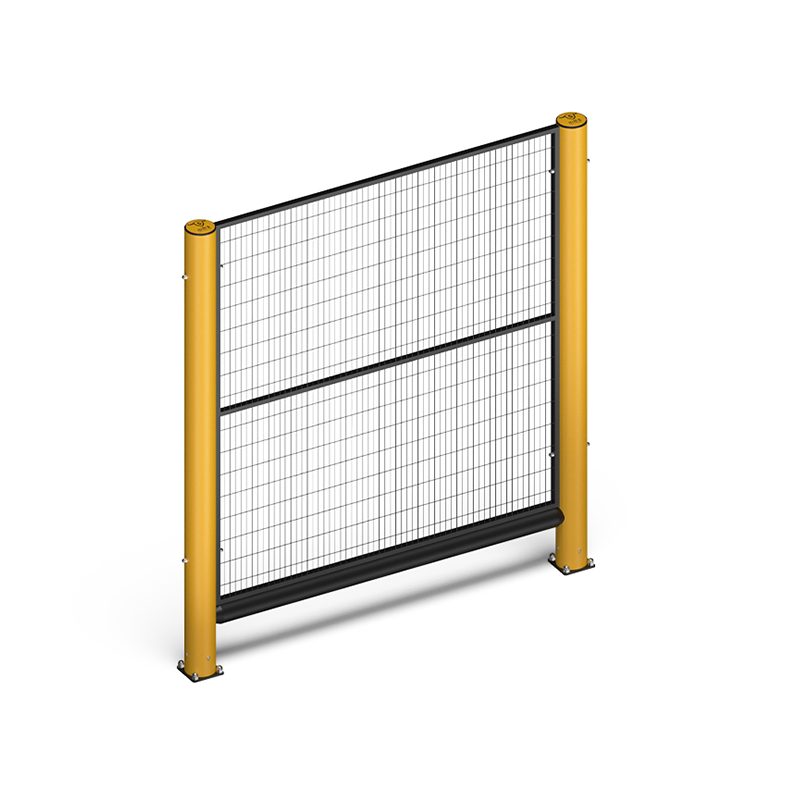
Generalist products cut costs with mixed-grade hardware that rusts and loosens. A specialist specifies Q235 mesh board for structural rigidity and SS304 fixings for rust-free, long-term anchoring. The powder-coated base and cast metal ends hold the polymer rail under repeated load. In a third-party logistics provider in East Asia, frequent washdowns had corroded competitor hardware within months. Switching to SS304 fixings and a polymer safety barrier with Q235 mesh ended the recurring failure and reduced unscheduled maintenance on the dock line.
A flexible safety barrier manufacturer builds inspection discipline into the product, not just the brochure. Facility teams should check fixings torque quarterly and replace any rail that no longer rebounds fully. SS304 fixings resist corrosion, so the weak link becomes the mounting surface, not the hardware. Documenting each check supports OSHA compliance and proves the protective layout is maintained, not just installed.
A self-recovering guardrail performs only if every unit matches the validated sample. A flexible safety barrier manufacturer treats that sample as a control point, not a one-off. Specialist tooling controls wall thickness, mounting geometry, and joint tolerances so each polymer barrier delivers repeatable impact absorption. Inconsistent molds create weak points that fail under forklift impact protection scenarios. Production monitoring catches dimensional drift before shipment, protecting industrial facility protection programs from hidden defects.
Finish quality signals manufacturing discipline. A flexible safety barrier manufacturer protects that finish with a powder-coated base that survives abrasion, UV, and chemical exposure far longer than painted alternatives, keeping warehouse safety lines visible. Cast metal ends transfer collision energy into the polymer rail instead of the floor slab, preserving structural integrity. Specialists treat these components as engineered parts, not afterthoughts, so the system recovers after thousands of impacts.
Off-the-shelf barriers rarely fit real traffic patterns. A flexible safety barrier manufacturer maps forklift lanes, rack lines, and walkways to design pedestrian-vehicle separation that actually works. Correct spacing, height, and color coding turn a polymer safety barrier into a clear physical and visual cue. Poor layout leaves gaps that invite exactly the incidents the system should prevent, raising risk instead of lowering it.
Engineering support also covers handover and training. Crews need to understand why a gap was left or a rail doubled at a corner, so design intent survives daily changes. A specialist reviews the installed layout on site and flags adjustments before sign-off, preventing the slow erosion of warehouse safety when barriers are moved without reason.
Temperature and automation change the rules. In cold storage, polymers must stay flexible below freezing or they crack on impact; material grade decides this. Along AGV routes, barriers need consistent rebound so autonomous vehicles are not misled by deformed rails. Rack end protection at aisle terminals shields racking from sweep impacts. A flexible safety barrier manufacturer matches compound and geometry to these exact conditions rather than guessing.
Procurement teams need defensible standards. OSHA compliance for walking surfaces and powered industrial trucks sets the floor; ANSI/ASSE A1264.1 guides walking-working surface safety through defined separation and guarding. A flexible safety barrier manufacturer documents how each polymer barrier supports those requirements, helping facilities pass audits. Without that paper trail, warehouse safety claims remain unverifiable during inspections.
Auditable documentation turns a purchase into a program. Specialists supply layout drawings and load references so safety managers demonstrate due care. When pedestrians, vehicles, and equipment each have defined space, warehouse safety improves through design and inspections stay routine.
Certifications mean little without evidence. TÜV certified production, backed by ISO 9001 process control, lets buyers confirm that materials and tests match the specification. A specialist provides traceable batch records, fixings grades, and impact-test data so accountability is real, not promised. Buyers should request documentation, inspect SS304 fixings on arrival, and confirm the powder-coated base finish before installation to protect the investment.
Practical buying advice stays simple. Confirm SS304 fixings with a magnet test and review the powder-coated base for even coverage, turning claims into evidence for industrial facility protection.
A specialized flexible safety barrier manufacturer delivers value that a generalist reseller cannot: controlled polymer chemistry, consistent tooling, engineering-led layouts, and verifiable compliance. Facilities gain impact absorption that protects people and equipment, with far less repair and downtime. For any project where forklift impact protection and pedestrian-vehicle separation matter, choosing a partner that owns the material science and the process reduces risk from specification to installation.
What separates a specialist producer from a general reseller?
Answer: A specialized flexible safety barrier manufacturer controls polymer chemistry, tooling, and testing in-house, so each barrier matches the validated sample. General resellers lack that process control and cannot document material grades or impact performance. Procurement teams gain predictable quality, faster engineering support, and traceable records that survive audits and inspections. Choosing that control reduces hidden defects across a multi-building rollout.
Why does polymer formulation matter more than appearance?
Answer: Surface finish hides the real differentiator: molecular grade and filler ratio decide how a rail absorbs impact and springs back. A weak compound cracks in cold storage or deforms permanently after a few hits. Material science, not paint color, determines service life and repair frequency on the floor. Specialist testing confirms this before shipment.
How should buyers verify stated certifications?
Answer: Request the actual certificate numbers and match them to the product line and issuer. Inspect a delivered sample for wall thickness, Shore hardness, and finish quality. Confirm SS304 fixings with a magnet test and review the powder-coated base for even coverage. These steps turn marketing claims into documented evidence during sourcing.
When does engineering support deliver the most value?
Answer: Support matters most during layout design and handover. Specialist input maps forklift lanes and walkways for real pedestrian-vehicle separation, then reviews the installed result on site. That dialogue catches gaps and misplaced rails before sign-off, preventing the slow loss of warehouse safety when barriers are moved without clear reason later. Early involvement also shortens the install schedule.
Which site conditions require adjusted barrier specifications?
Answer: Cold storage demands polymers that stay flexible below freezing, while AGV routes need consistent rebound so autonomous vehicles read rails correctly. Rack end protection at aisle terminals shields racking from sweep impacts. Matching compound and geometry to each condition prevents premature failure that generic, one-grade products cannot address reliably. Specialist assessment confirms the right grade per zone.
 Hot News
2024-06-01
2024-06-25
2024-06-28
2024-09-09