EN


Warehouse Protection Solutions for High-Traffic Logistics Facilities
In a busy distribution center, forklift routes, pedestrian crossings, dock doors, rack ends, and workstations can change exposure from one shift to the next. Effective warehouse protection solutions begin with the route problem, not a product catalog. From a facility-safety planning perspective, the aim is to match physical separation to traffic patterns, likely impact paths, and the access people need to keep operations moving.
A neat layout helps, but the more useful first question is where people and vehicles actually cross paths. That is why warehouse protection solutions should be treated as one layer in a wider traffic-management plan, together with marked routes, operating rules, training, visibility controls, and regular review.
Start With the Exposure Map, Not the Barrier Type
Before comparing warehouse protection solutions, walk the area during normal and peak activity. Note travel direction, turning points, reversing zones, trailer activity, temporary pallet locations, and places where a driver’s view is restricted. If the route changes by shift, review more than one operating period before choosing a layout.
OSHA’s powered-industrial-truck guidance says forklift traffic should be separated from workers and pedestrians where possible. It identifies pedestrian walkways, permanent railings or other protective barriers, and floor striping as possible controls. That does not prescribe one design for every building; it does show why the physical boundary should follow a documented traffic condition.
For high-traffic sites, map each zone by three questions: Who enters it? What vehicle movement can reach it? What must remain accessible? A barrier that protects a rack end but closes an emergency egress route, blocks maintenance access, or narrows a travel lane may create a different operating problem. Good warehouse protection solutions retain the practical function of the space.
Choose Warehouse Safety Barriers by the Job They Must Do
Warehouse safety barriers are not a single category. A pedestrian edge, a rack corner, a doorway, a charging area, and a packing station face different exposures. Start by defining whether the boundary is intended to guide movement, prevent entry, shield an asset, separate people from lift trucks, or make a conflict point more visible.
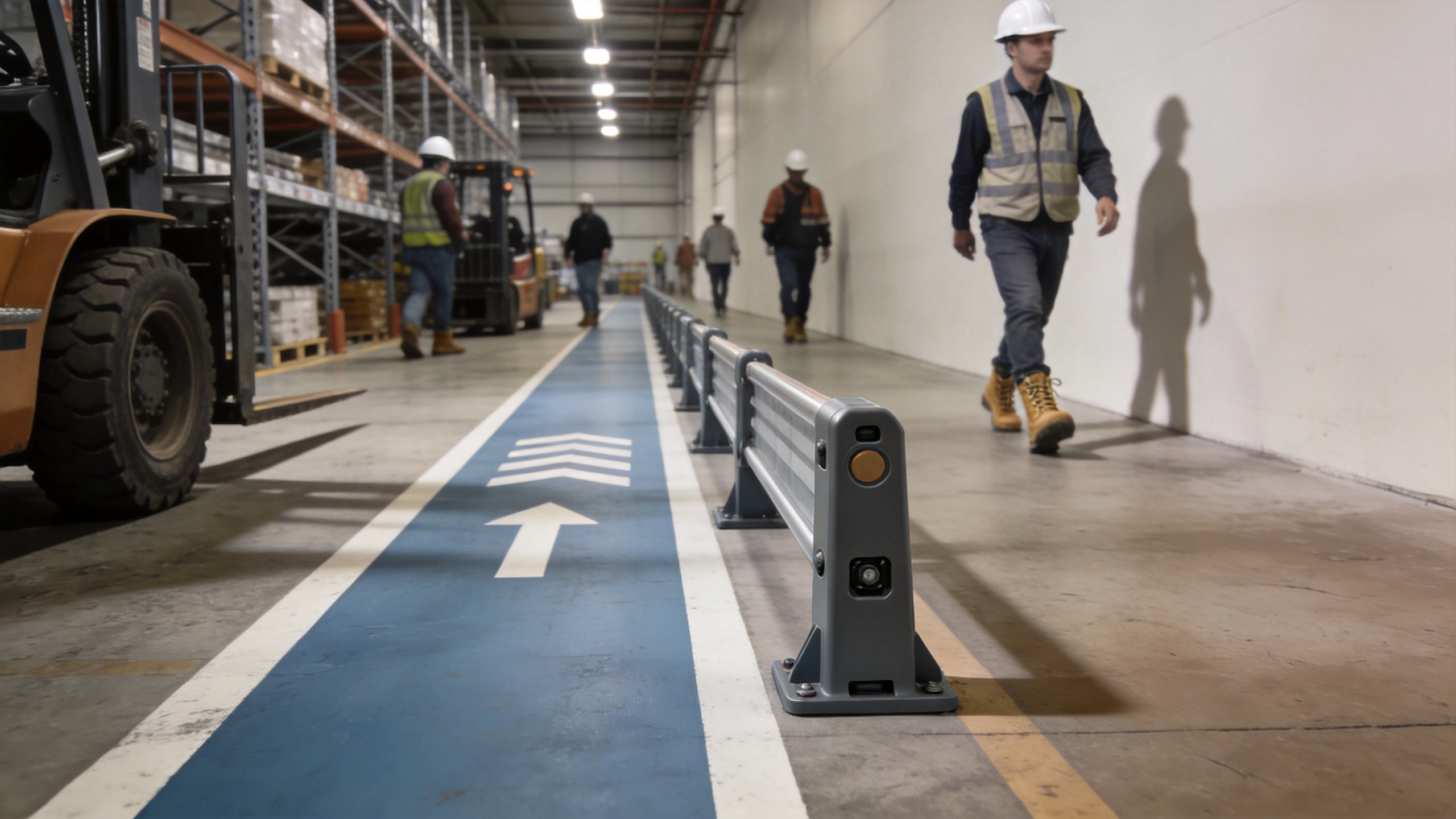
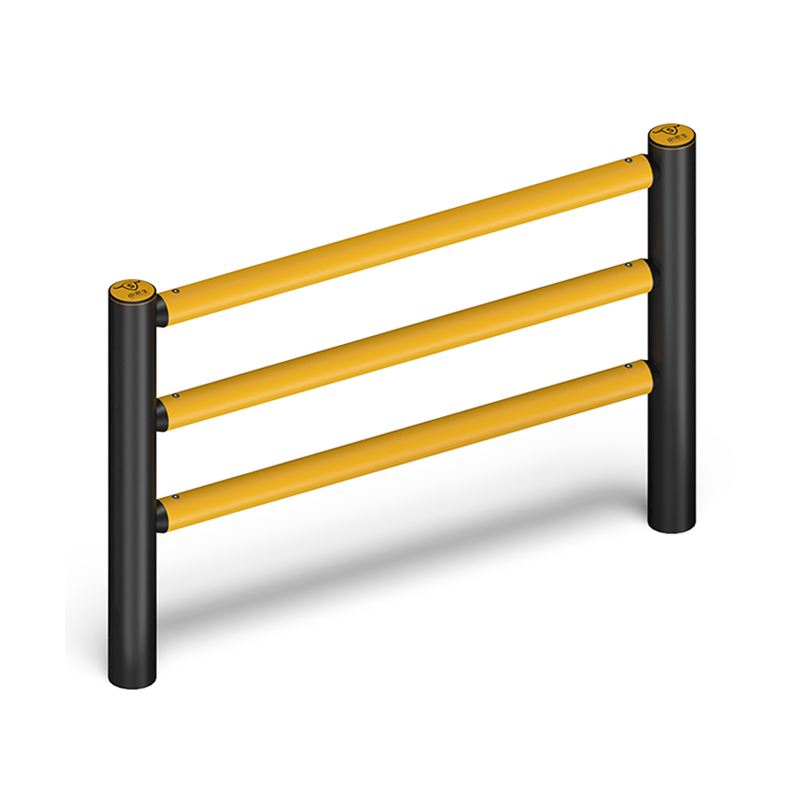
- Pedestrian-route separation: Use warehouse safety barriers to make the intended walking path obvious where people work beside vehicle lanes.
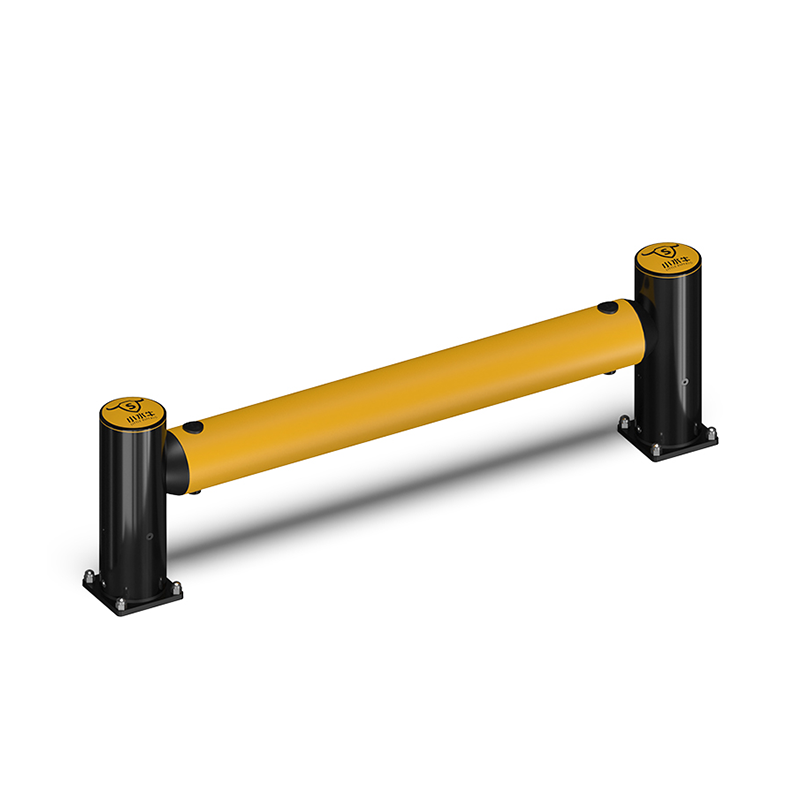
- Rack-end and corner protection: Focus on approach direction, turning radius, and whether a struck component could affect stored loads or adjacent infrastructure.
- Doorway and crossing control: Combine physical boundaries with sightlines, signs, markings, and operating procedures for locations where people must cross.
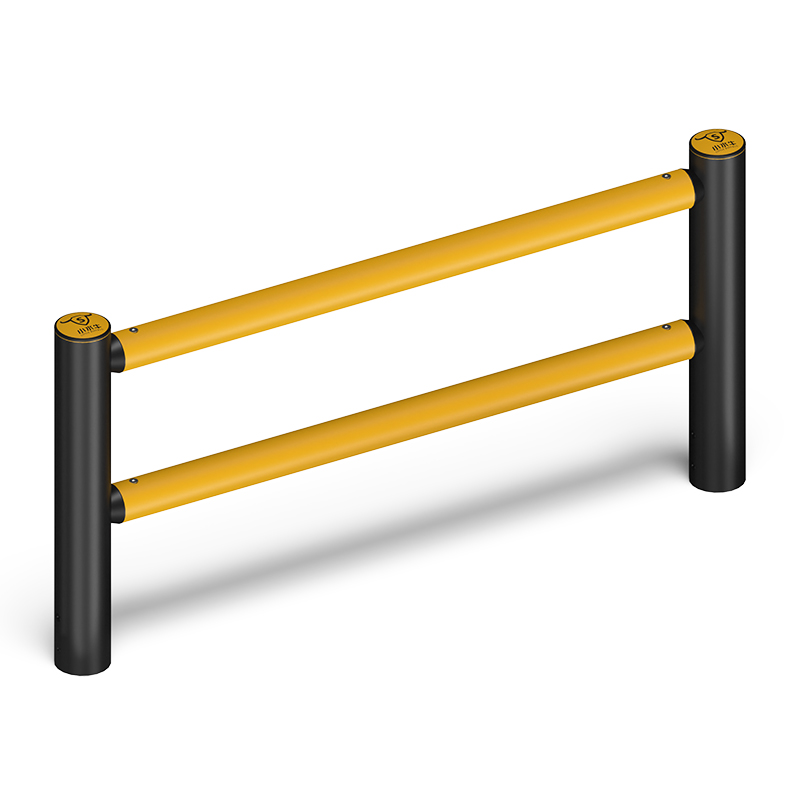
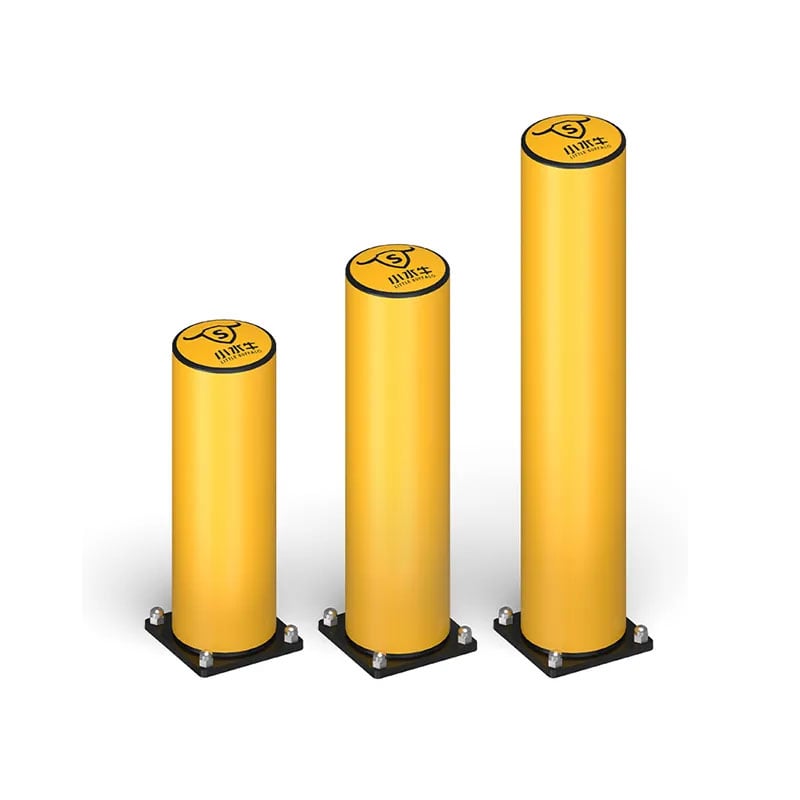
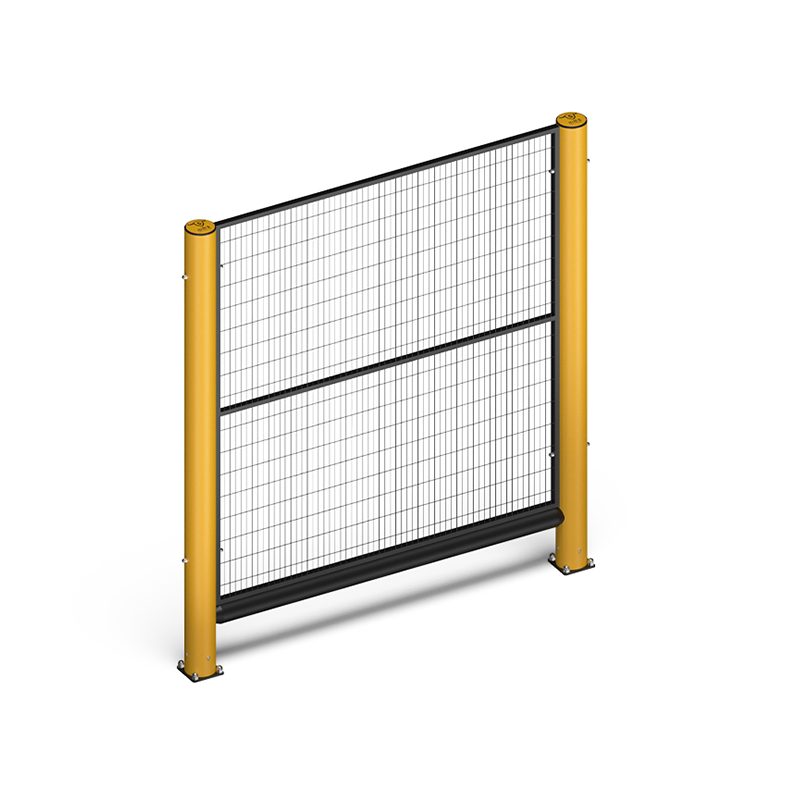
- Equipment-zone definition: Consider modular guard fencing or bollard-oriented protection where a defined work area needs a visible perimeter.
When specifying warehouse safety barriers, do not assume a headline material or profile answers the impact question. Before treating impact performance as a decision point, confirm what test evidence applies to the proposed configuration, mounting context, and exposure. The suitable option depends on the condition, not on one universal feature.
Build Warehouse Collision Prevention Into Route Decisions
Reliable warehouse collision prevention combines physical controls with behaviors and visibility. A barrier can support separation, but it does not replace a driver’s need to slow at blind corners, follow route rules, or keep a clear view. It also does not remove the need for pedestrians to use designated paths and remain alert around moving equipment.
In practical planning discussions, warehouse collision prevention often becomes clearer when the team traces a likely movement: an unloaded truck reversing from a bay, a forklift turning around a rack end, or a picker stepping from a workstation. Mark the point where visibility changes, then ask whether the boundary is clear enough, far enough from the likely path, and compatible with daily work.
OSHA also requires permanent aisles and passageways to be free from obstructions and appropriately marked where mechanical handling equipment is used under 29 CFR 1910.176(a). For warehouse collision prevention, that makes clearance and markings part of the barrier decision rather than a separate afterthought.
Use a Decision Sequence for High-Traffic Areas
- Classify the traffic. Record vehicle types, pedestrian tasks, load movement, speed expectations, and peak congestion.
- Identify the exposure. Establish whether the concern is side-swipe contact, a turning impact, reversing movement, rack-end contact, or unauthorized entry into a work zone.
- Check the physical constraints. Measure route width, turning clearance, floor condition, door swing, emergency access, cleaning needs, and inspection access.
- Select the control combination. Pair appropriate warehouse protection solutions with route markings, signs, mirrors, gates, operating rules, or spotter procedures as the exposure requires.
- Verify before installation. Ask what evidence supports the barrier configuration and whether the proposed location still works during routine changes in stock, staffing, and equipment.
This sequence prevents a common mistake: choosing a component first and discovering later that it conflicts with the way the zone operates. The catalog can narrow options, but turning radius and service access usually determine the final fit.
Compare Flexible and Rigid Approaches Without Assuming a Winner
The discussion around flexible versus rigid warehouse safety barriers should be site-specific. Teams may compare how a system behaves under an intended application, how it fits mounting conditions, how visible it is, and what inspection or replacement process is practical. A lower initial cost does not by itself answer the lifecycle question.
Likewise, a flexible design is not automatically appropriate for every impact direction or use case. Ask what must be protected, what movement is expected, and which performance evidence is relevant. This is especially important where warehouse collision prevention depends on the relationship between the floor, posts, rails, equipment path, and adjacent operations.
Keep the System Reviewable After Installation
High-traffic logistics facilities rarely stay static. New product flows, seasonal staffing, revised racking, automation projects, or changes in forklift type can alter the original assumptions. Treat warehouse protection solutions as an operating control that should be inspected after route changes, not as a one-time purchase.
During routine reviews, check for loosened components, damage, obscured markings, new pedestrian shortcuts, accumulated pallets, and changes to sightlines. Ask a direct question: can a pedestrian still understand the intended route when temporary materials occupy the area? That observation is often more useful than relying on an old layout drawing.
Questions to Take Into a Site Review
For a practical next step, bring operations, EHS, maintenance, and procurement into the same discussion. They should review the highest-exposure routes first, then document the information needed to compare warehouse protection solutions: vehicle paths, turning points, measured clearances, mounting conditions, access requirements, and applicable performance evidence.
Well-chosen warehouse safety barriers can help make boundaries easier to recognize and help support warehouse collision prevention in active facilities. The goal is not to imply zero risk. It is to reduce exposure in the specific route while preserving a workable, visible, and reviewable logistics operation.
 Hot News