EN
EN

ABOUT US
- Shounan Street URban Industrial Park,YinZhou District,NingBo City, ZheJiang, CHINA.
- +86-15381988180
- [email protected]

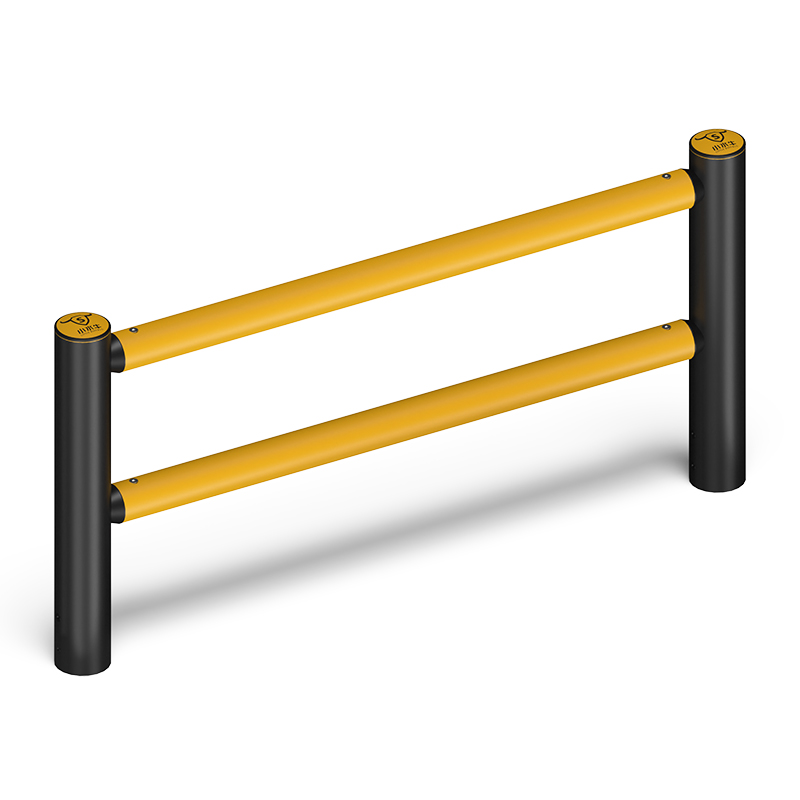
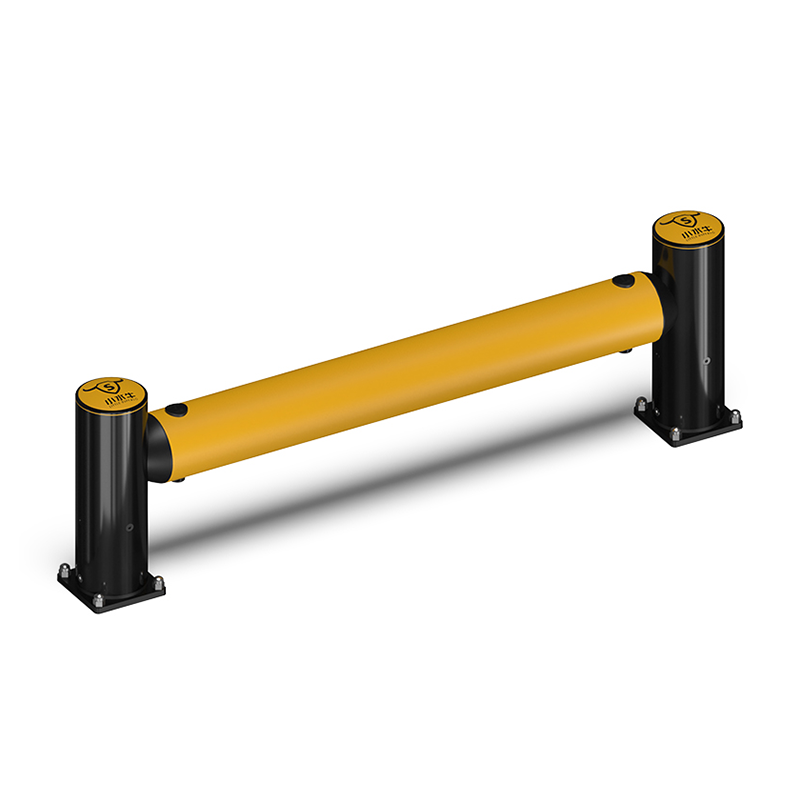
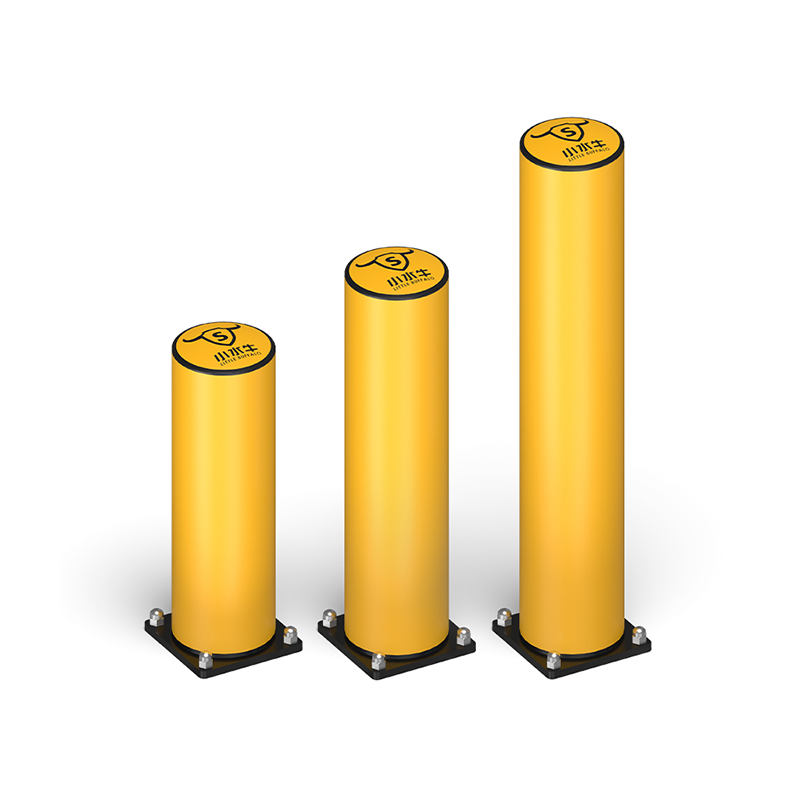
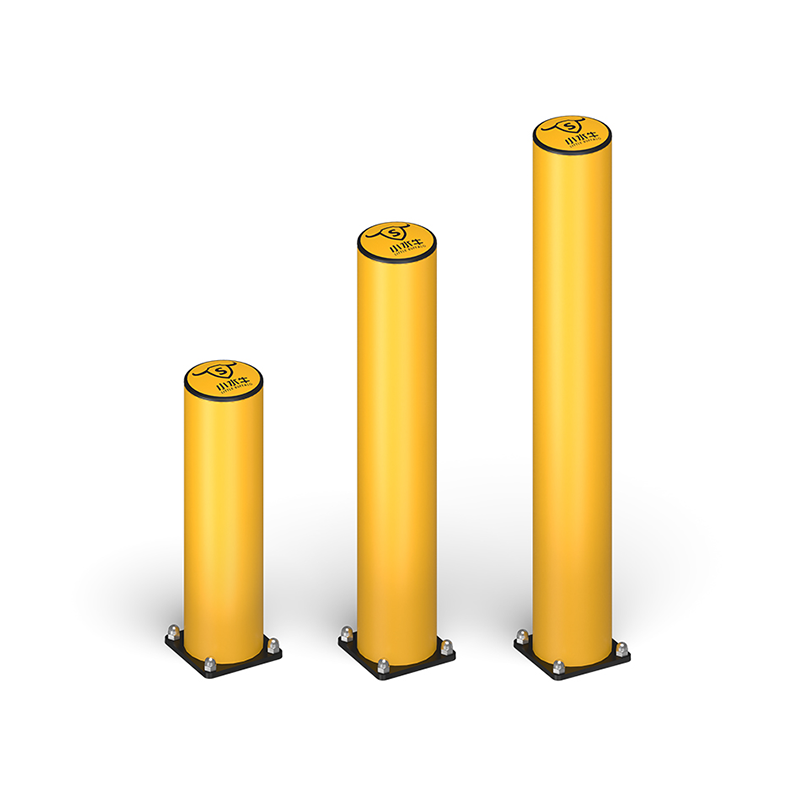
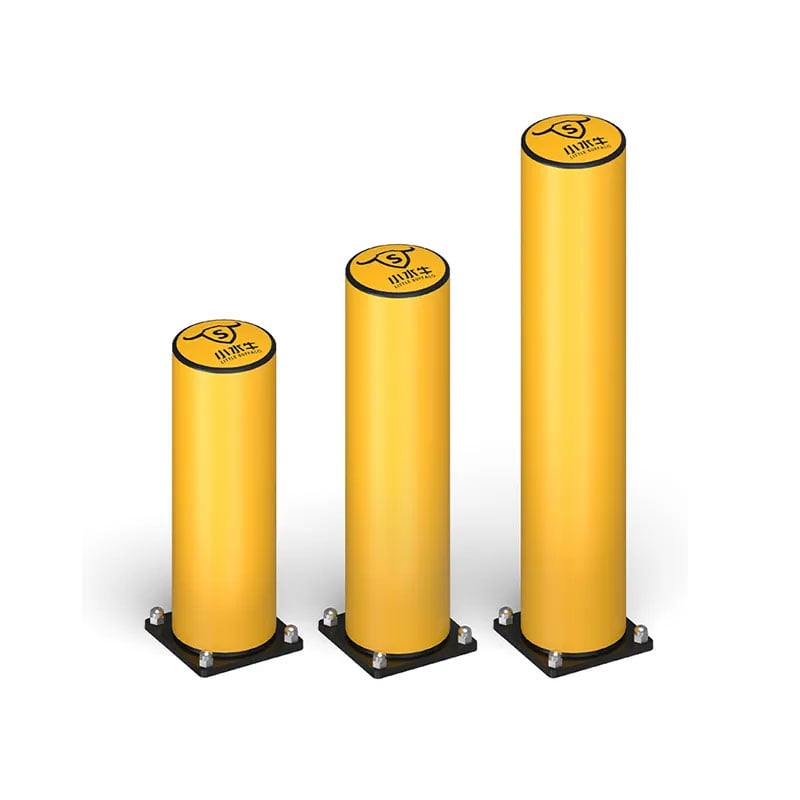
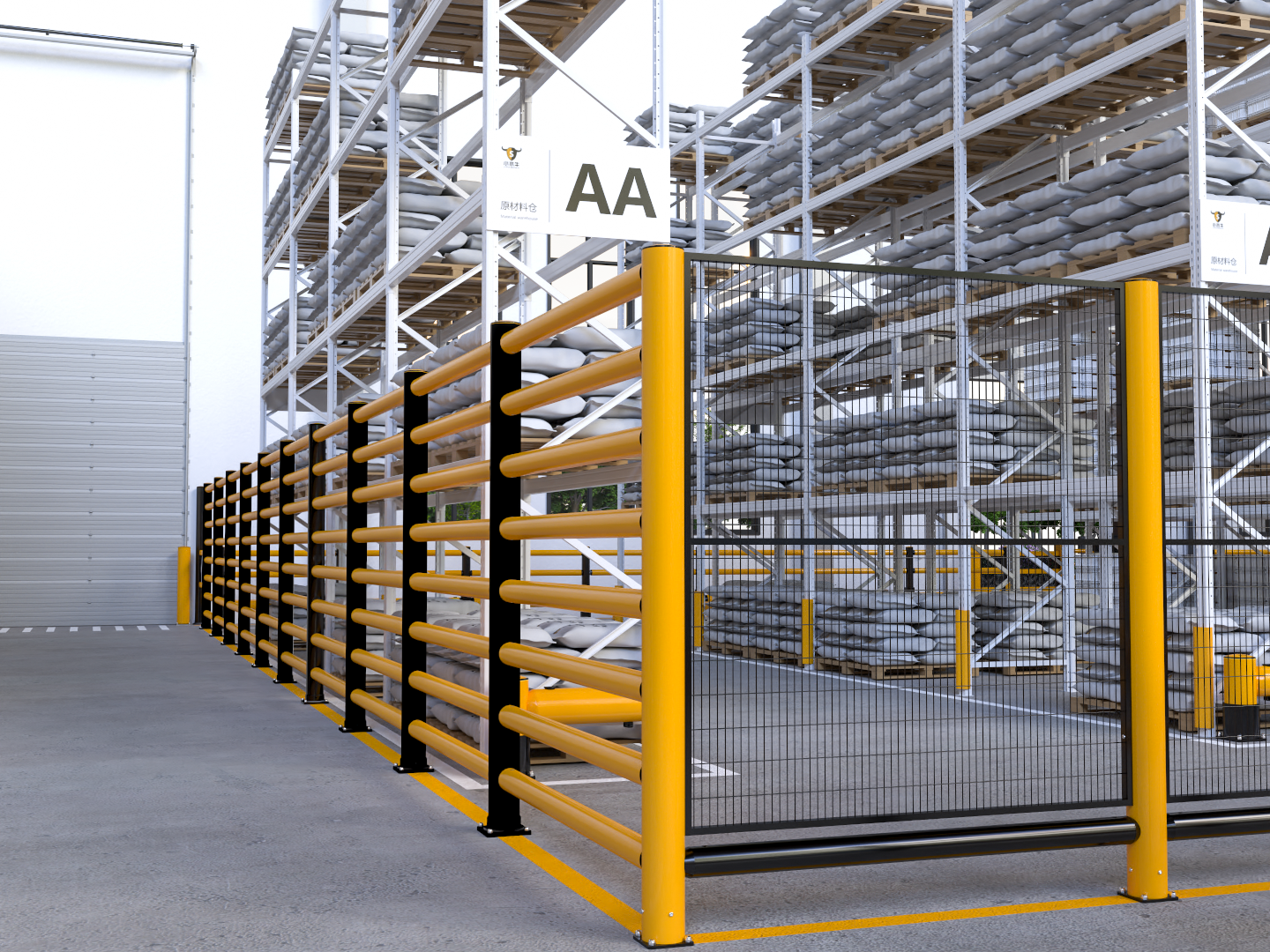
A pedestrian barrier is a physical separation between people on foot and vehicles on the same floor — not a line of paint, but an object a person can see, lean on and feel through a boot sole. Little Buffalo Technology (Ningbo) Co., Ltd. molds pedestrian barriers in Ningbo, Zhejiang, China, for warehouses, production plants, cold stores and logistics hubs, and the range covers high guard fencing at 1,800mm, zoning separators in 600–1,537mm sections, floor-level ground barriers and bollards. The line is normally drawn where forklifts and pedestrians already share space: pick aisles, conveyor crossings, dock door walkways and the route between a workstation and a pallet position. Because the polymer does not corrode and holds UV resistance to ISO 4892-3, the same pedestrian barrier suits a freezer aisle, a wash-down food plant and an outdoor yard, at working temperatures from -40°C to 80°C. Sections are modular, angle pieces turn corners, door sections close an opening and lengths can be customized, so a pedestrian barrier follows a real walkway instead of interrupting it. TÜV testing, UV verification and salt spray testing on the metal components back the range. What follows is what a pedestrian barrier changes on the floor, how it is produced, and how to plan one.
Seven differences separate a site with real warehouse walkway barriers from one that is still repainting yellow lines.
Paint is a suggestion; a pedestrian barrier is a boundary. Floor markings wear away under pallet trucks, disappear under a dropped load and get ignored when a shift is behind schedule. A pedestrian barrier gives the walkway an actual edge — something a driver feels through the steering and a pedestrian can rest a hand on. The difference between a painted line and a pedestrian barrier is the difference between asking for separation and installing it.
It absorbs the hit instead of stopping it dead. Trucks do reach the line, and the outcome matters most when people are standing next to it. A polymer pedestrian barrier takes the energy inside its own body, and very little of it is directed through the floor screwing into the slab or the anchors. The truck bounces off rather than being stopped hard beside a walkway, and the separation is still standing afterwards.
Height and sightlines are chosen, not guessed. An 1,800mm guard fence closes the pedestrian side where a walkway runs beside moving plant. A low ground barrier marks the vehicle side of an aisle without blocking a driver's view over the racking. Between them sit the 600–1,537mm zoning separators that define the middle ground, so the pedestrian barrier height matches the risk at that specific point rather than a single height being repeated down the whole building.
Modular to a real walkway. Sections join end to end, angle pieces turn corners, door sections break the line cleanly at openings, and lengths are customized. A pedestrian barrier is therefore laid out along the route people actually walk, not along the route the drawing assumed. When a line is moved, sections are re-laid instead of scrapped, so the same pedestrian barrier covers the next layout.
Openings and crossings are handled properly. Most incidents on a segregated floor happen where the separation breaks: a fire door, a conveyor crossing, a workstation spur or a charging bay. Door sections close those points instead of leaving a gap that becomes a shortcut, and the pedestrian barrier continues on the far side. Planning the breaks is usually the part of the job that decides whether the separation holds.
Cold store, wash-down and outdoor duty. The polymer does not corrode, does not fade and never needs repainting, and it resists the chemicals used for wash-down in food plants and cold stores. With a service range of -40°C to 80°C, one pedestrian barrier specification covers a chilled aisle, an ambient warehouse and an open loading yard, which keeps spares and procurement simple.
Evidence an auditor can read. The yellow and black finish is legible from a distance. Certification can include TÜV testing, UV verification to ISO 4892-3, neutral salt spray testing to 1,000 hours on dacromet-finished cast ends and anchor bolts, 500 hours on molded mesh panels and 72 hours on electrophoretic bases. A buyer hands over a test report for the pedestrian barrier rather than describing it.
Four stages, the same for every pedestrian barrier in the range. None is difficult alone; the discipline is holding all four to the same standard on every batch.
Multi-layer extrusion forms the barrier body. The rail is extruded in layers with different jobs. The outer layer carries the UV resistance verified to ISO 4892-3 and is formulated to be scratch and dirt resistant, so a pedestrian barrier keeps its colour and legibility in dusty, damp and outdoor locations. The inner layer reinforces a flexible network structure, which supplies the flexibility and the impact resistance. Balancing the two is the core of the process: too stiff and the barrier drives force into the slab, too soft and it will not return to shape after a strike.
Metal ends are cast in one piece. A polymer rail cannot take a concentrated hit on its own, so each end of a pedestrian barrier is a one-piece casting of high-strength metal. Casting in one piece eliminates the welds and joints that would otherwise become the failure point. The casting is then dacromet finished and tested to 1,000 hours of neutral salt spray with no rust — the figure that decides whether it survives a cold store, a wash-down zone or a coastal site.
Bases and anchors are treated to the same standard. On products with a combined base, metal and rubber components are assembled into one unit, and the metal is electrophoretically treated and tested to 72 hours of neutral salt spray without rust. The barrier is fixed with inverted-cone chemical anchor bolts, also dacromet finished and tested to 1,000 hours of neutral salt spray, so the fixing does not corrode away underneath a pedestrian barrier that still looks sound.
Mesh panels are welded, then coated. Where a pedestrian barrier uses a mesh panel, the mesh is Q235 steel welded on an intermediate-frequency welding machine, giving a joint that does not detach easily and a panel with high tensile strength. In the frame-to-mesh step the wires are welded flat onto the frame rather than left protruding, which removes the sharp ends that catch clothing and scratch the people, vehicles and goods passing by — a detail that matters more on a walkway than anywhere else. The panel is then spray molded and put through a 500-hour neutral salt spray test with no rusting.
Batch testing before anything ships. Materials are checked on arrival, and finished pedestrian barriers ship with UV, salt spray and TÜV test results. Suspended variants such as the height-limit warning column use stainless steel 304 wire rope, so the walkway or traffic route needs no drilling, and the sealed housing is rated IP50. Those documents go straight to an auditor, a client or a contractor.
Send us a floor plan, an aisle drawing or photographs of where people and trucks currently share space, and we will recommend the pedestrian barrier heights, section lengths and door sections that fit, confirm the certification your market requires and quote on that basis. Walk us through the route people actually take at shift change, because that is usually where the pedestrian barrier has to work hardest. Samples are available before a bulk order, and OEM/ODM customisation covers height, length, colour, logo and packaging. Email [email protected] or message us on WhatsApp at +86-15381988180 — a short reply, a clear next step, no obligation.
 Hot News
2024-06-01
2024-06-25
2024-06-28
2024-09-09