EN


Industrial Safety Barrier Installation Costs: Key Factors to Consider
When a facility asks about industrial safety barrier installation cost, the useful answer is rarely a single number. A quote reflects the protection objective, traffic pattern, floor condition, access restrictions, installation sequence, and the amount of coordination needed to keep work moving. For an EHS manager, operations lead, or buyer, treating the project as a site-planning exercise makes the budget discussion far more reliable than comparing barrier lengths alone.
This guide explains the cost drivers behind industrial safety barrier installation cost and shows how to prepare a clearer request for quotation. It applies to warehouse aisles, manufacturing circulation routes, loading areas, rack ends, doors, and mixed pedestrian–vehicle zones. The aim is not to promise a price without a site review, but to help teams understand what should be included before they approve a scope.
Start with the risk and the route, not the catalog
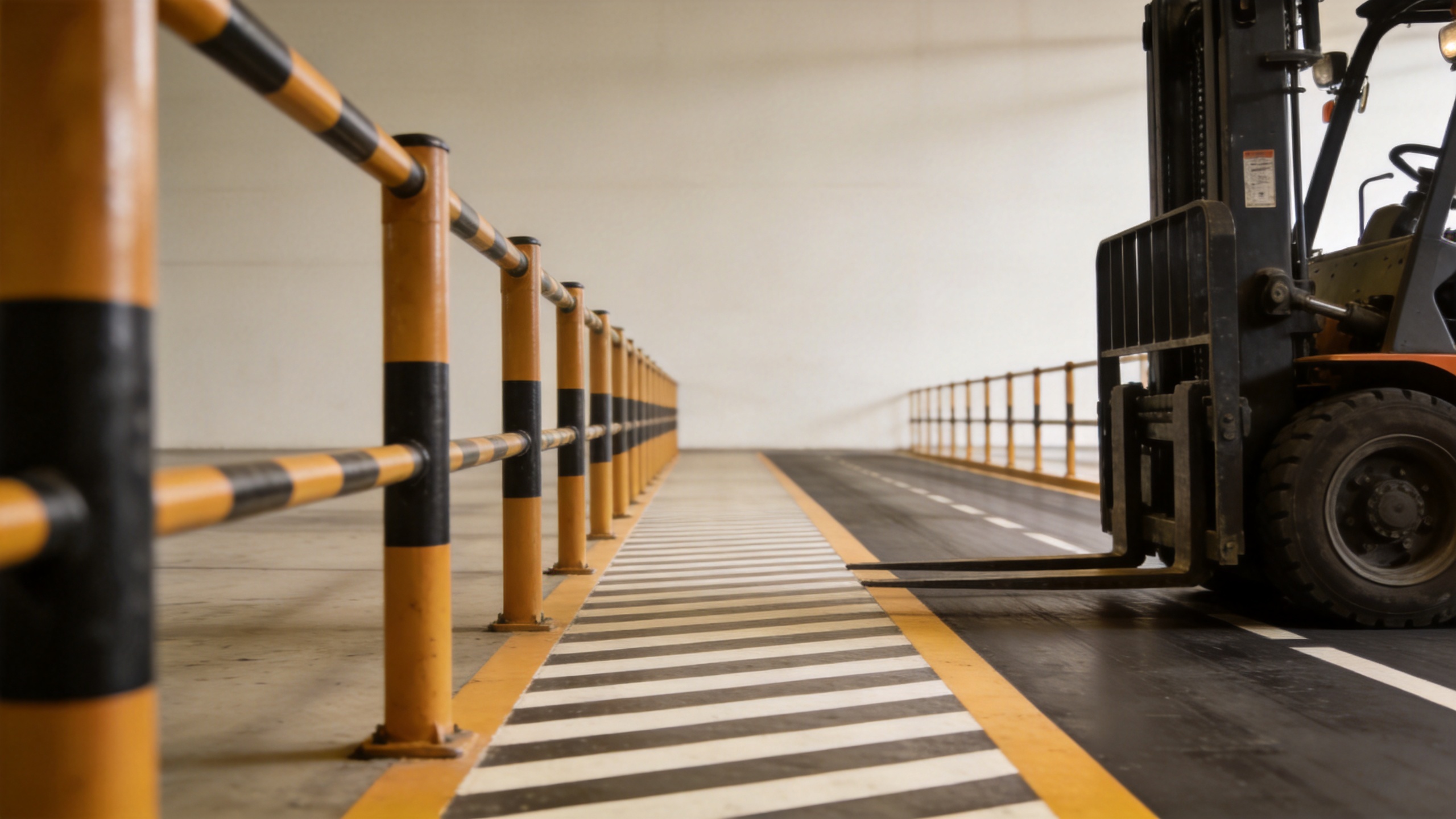
Industrial safety barriers are often discussed as a product purchase, but the installation scope begins with the route. A barrier protecting a quiet storage corner has different demands from one separating pedestrians from frequent forklift movements near a loading bay. Before estimating industrial safety barrier installation cost, map vehicle approach directions, turning areas, pedestrian crossings, emergency exits, doors, service access, and any locations where pallets temporarily narrow a lane.
A practical walk-through also identifies who needs to agree on the layout. EHS may focus on exposure points, operations on uninterrupted material flow, engineering on mounting conditions, and procurement on comparable specifications. Early agreement reduces the chance that industrial safety barriers are redesigned after materials have been ordered or a contractor has arrived.
The main cost components to include in a budget
Barrier type, configuration, and coverage
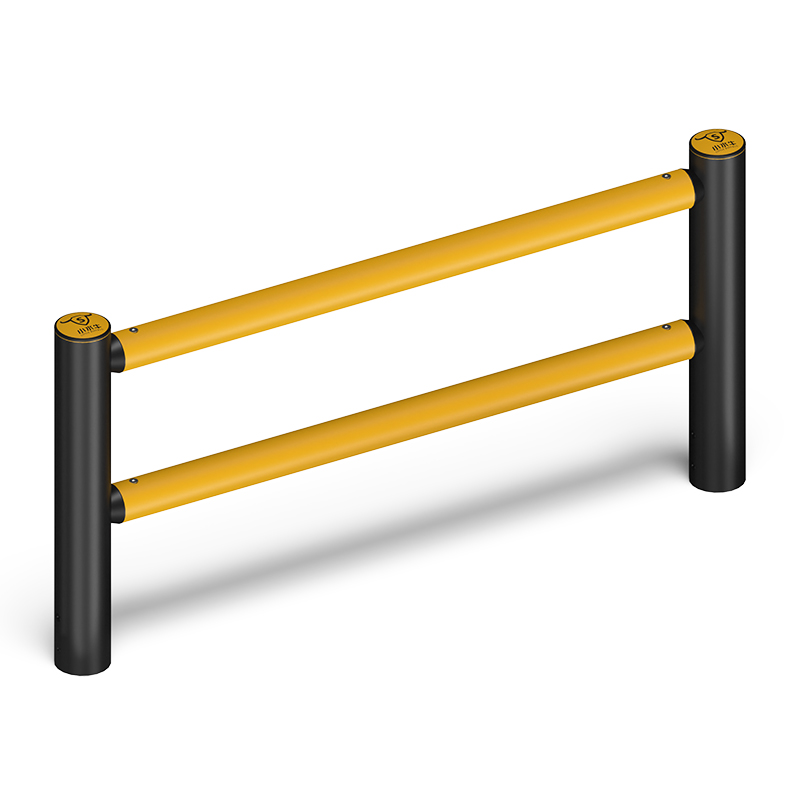
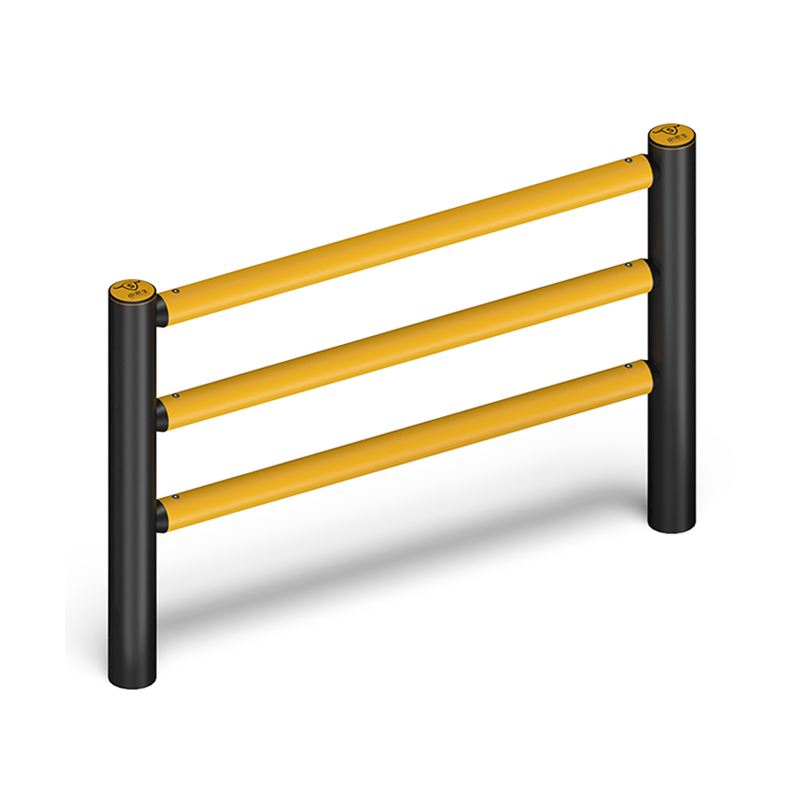
The selected barrier system is one part of the budget. Overall scope can vary with the required run length, height, corner protection, gates, posts, end protection, visibility elements, and the number of separate zones. A short line with many transitions may require more layout and installation effort than a longer straight run. When comparing industrial safety barriers, ask suppliers to distinguish the supplied components from the installation activities so that alternatives can be evaluated on the same basis.
The application also matters. Forklift collision protection around a rack end, a pedestrian walkway, and a machine perimeter may call for different geometry and access allowances. Do not assume that one configuration is appropriate everywhere; site-specific conditions affect both fit and the final industrial safety barrier installation cost.
Site survey and design coordination
Accurate measurements are a budget control, not unnecessary overhead. A survey can confirm route widths, clearances, floor levels, doors, drains, utilities, columns, and planned changes to the layout. It also lets the team document assumptions before a design is released. If those details are missing, additional visits, revised drawings, or changed material quantities can add time later.
For a multi-zone project, allocate time for a simple installation plan: which areas are highest exposure, what can be completed first, and where temporary route controls will be used. This planning is especially valuable when forklift collision protection must be introduced without closing a busy aisle for an entire shift.
Floor condition and mounting preparation
Mounting conditions influence labor and schedule. The installer may need to assess slab condition, existing anchors, surface damage, coatings, embedded services, or obstacles close to the intended line. Repairs, cleaning, marking, drilling access, or an alternative layout can change the scope. A reliable quote should state the assumed substrate and identify what happens if site conditions differ from that assumption.
That distinction helps teams avoid treating industrial safety barrier installation cost as a fixed material-only figure. It also supports fairer comparison between proposals: one scope may include preparation and another may leave it for the facility to arrange.
Labor, access, and work-hour restrictions
Labor is shaped by more than the number of posts. Crews need safe access to each location, room to move tools and materials, and a workable sequence around production, picking, loading, or cleaning schedules. Night work, weekend work, restricted permits, escort requirements, lifting access, and phased handover can all affect the installation plan.
For industrial safety barriers near active routes, the facility may also need temporary segregation, spotters, signage, or a short-duration traffic plan while work is underway. These controls are not a substitute for operating procedures; they help the installation take place in an organized way. Include them in the scope instead of discovering the need on installation day.
Disruption and phased implementation
Lost access can carry a cost even when it does not appear as a line item on the supplier quote. A better budget review asks which areas can be isolated, whether stock needs to move, how forklifts will be rerouted, and whether the work should be phased. In some facilities, completing the highest-exposure forklift collision protection locations first is more practical than waiting for a full-site shutdown.
Phasing may increase mobilization or coordination, but it can reduce operational disruption. The appropriate option depends on the facility’s workflow, staffing, and acceptable downtime, so record the chosen sequence with the quote assumptions.
How to make quotes comparable
Request a line-item scope that separates equipment, survey or layout support, mounting preparation assumptions, installation labor, access equipment, traffic-management needs, travel or mobilization, and commissioning or handover. Ask each supplier to identify exclusions, lead-time dependencies, and information required before final confirmation. This approach makes industrial safety barrier installation cost easier to compare because the team is comparing scope rather than headlines.
- Provide a marked-up floor plan, photos, measurements, and intended barrier locations.
- Describe the vehicle types, travel direction, turning areas, and pedestrian movements at each zone.
- Confirm floor material, known obstructions, access limits, and permitted work hours.
- List doors, fire routes, maintenance points, and areas that must remain available.
- State whether the project should be installed in phases and who approves field changes.
Look beyond the purchase and installation day
A complete decision considers inspection, maintenance access, future layout changes, and the process for reviewing a barrier after an impact or a traffic-pattern change. Industrial safety barriers should be reviewed alongside signage, operator training, route rules, and housekeeping; a physical control does not eliminate every risk by itself. Asking these questions early can prevent a low initial price from becoming a poorly coordinated long-term solution.
For example, forklift collision protection may need to preserve access to racking, controls, or cleaning routes. If a layout blocks routine work, teams may be tempted to alter it informally, undermining the original plan. Include ownership for inspections and change management in the project handover.
A practical next step
To build a sound budget, begin with a route review and a short scope brief rather than an assumed price per meter. The brief should identify exposure points, measurements, floor conditions, access rules, operating constraints, and the desired implementation sequence. With that information, suppliers can explain the assumptions behind an industrial safety barrier installation cost proposal and help the facility compare industrial safety barriers on fit, installation requirements, and lifecycle considerations.
That preparation does not replace a qualified site assessment or local safety review. It does, however, give EHS, operations, engineering, and procurement a shared basis for deciding where forklift collision protection is needed and what a workable installation scope should include.
 Hot News