EN

ABOUT US
- Shounan Street URban Industrial Park,YinZhou District,NingBo City, ZheJiang, CHINA.
- +86-15381988180
- [email protected]

Why Material Integrity Shapes Modern Workplace Safety
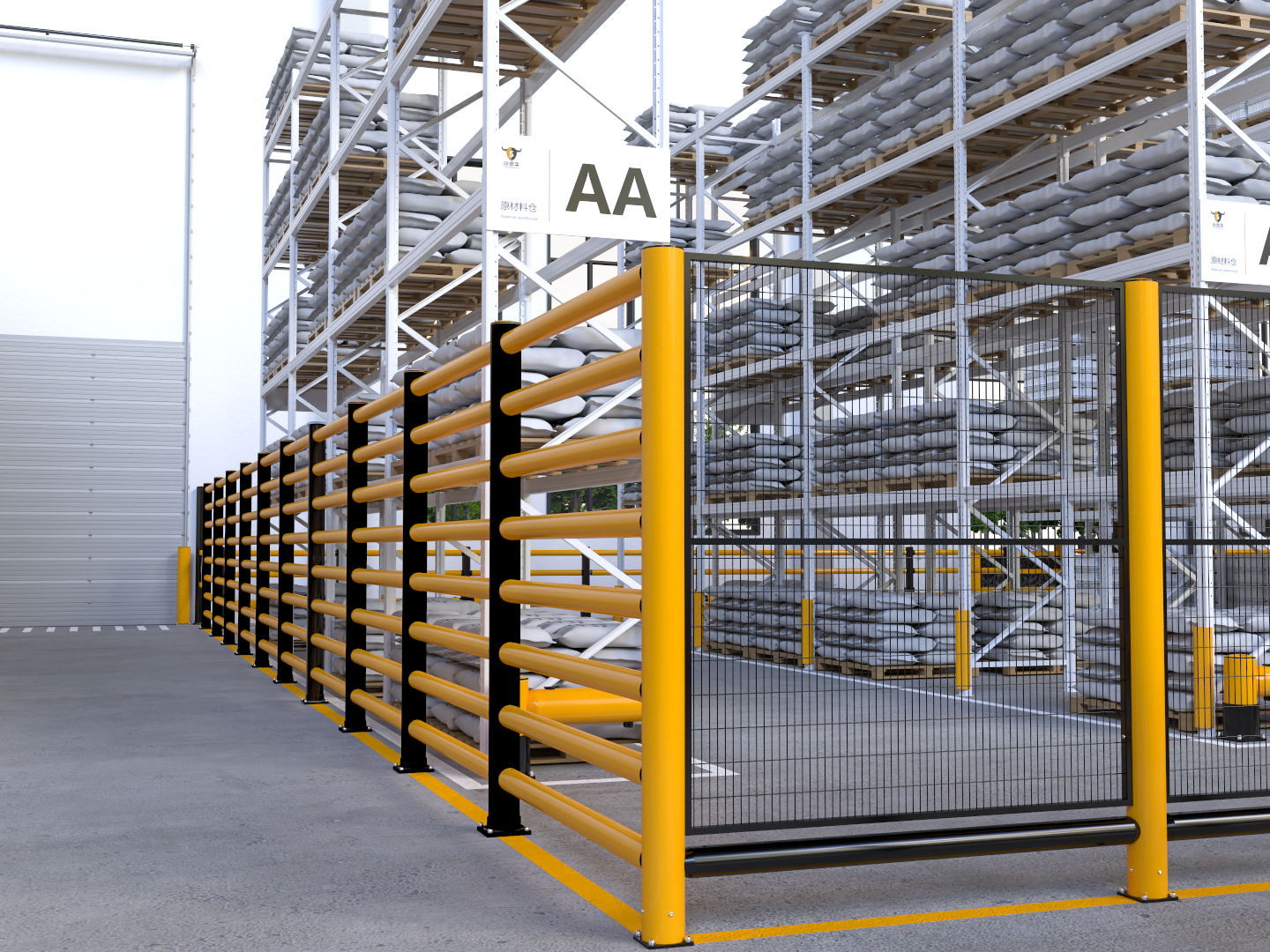
When setting up a high-traffic industrial warehouse or a busy manufacturing floor, managers often find themselves looking at rows of newly installed industrial barriers, hoping they will perform when a real-world collision occurs. Heavy machinery and forklifts operate in close proximity to pedestrian paths, making the reliability of physical guardrails a matter of operational continuity and life safety. To ensure these systems do not collapse under sudden stress, evaluating safety barrier quality control from the raw material phase is the absolute starting point. Traditional steel guardrails are known to deform permanently, rust, and damage the concrete floors upon anchor pull-out. This has led forward-thinking logistics hubs and factories to transition to advanced polymer-based flexible barriers.
Industrial operators frequently report that cheap polymer barriers look identical to premium ones on paper, yet they shatter upon first impact. This failure is a direct result of inadequate safety barrier quality control during the compounding stage. Superior performance is achieved when proprietary impact-modified polymers are blended with stabilizers that prevent UV degradation. Testing standards like neutral salt fog tests and chemical resistance evaluations ensure that the guardrails can withstand harsh industrial cleaning agents, acidic leaks, and relentless UV exposure in outdoor loading docks. When safety barrier quality control is executed with scientific precision, the material retains its physical properties for years, eliminating the hidden costs of premature replacement, floor damage, and equipment downtime.
The Science of Dynamic Crash Testing and Impact Physics
While material compliance is essential, a guardrail must ultimately prove its worth during a high-speed vehicle impact. Evaluating safety barrier quality control requires an in-depth analysis of how manufacturers conduct their dynamic crash tests. A standard pendulum or swing hammer impact test provides initial data, but the gold standard remains full-scale, real-world simulated scenario impacts. These physical crash tests measure the exact amount of kinetic energy a safety barrier can withstand, expressed in Joules. For instance, a heavy-duty floor barrier designed to protect structural building columns must absorb impacts up to 25,000 Joules or more without structural failure.
Another crucial factor in safety barrier quality control during physical crash testing is anchor stress analysis. When a forklift collides with a rigid barrier, the energy has to go somewhere, and it usually travels straight down into the floor, ripping out the concrete anchors and causing massive floor damage. Superior safety barrier quality control addresses this by evaluating the multi-level flexible buffer structure of the barrier. Through rigorous dynamic testing, engineers verify that the energy is dissipated within the polymer body itself, minimizing the sheer force transmitted to the foundation. This physical test is what separates average barriers from high-performance systems that save thousands of dollars in concrete repairs and equipment maintenance over their operational lifespan.
Evaluating Manufacturing Tolerances and Production Consistency
Even the most advanced polymer formula and crash-tested design will fail if the daily manufacturing process lacks strict oversight. Evaluating safety barrier quality control requires a thorough inspection of production-line consistency and dimensional tolerances. When safety barriers are produced via extrusion or injection molding, any slight deviation in wall thickness, cooling rates, or cure times can create internal stress points and structural weak spots. Consistent safety barrier quality control demands that automated monitoring systems track temperature profiles and pressure zones in real-time during every production run.
A robust quality management framework, such as the ISO 9001:2015 standard, provides the necessary structure to guarantee that every single barrier rolling off the assembly line meets the certified specifications. Under this framework, safety barrier quality control involves systematic sampling and destructive testing of production units. Technicians cut cross-sections of extruded profiles to inspect internal wall thickness and use ultrasonic thickness gauges to ensure uniformity. Any unit that falls outside the micro-millimeter tolerance range is immediately rejected and recycled. This level of safety barrier quality control prevents thin spots that would otherwise fail prematurely during a heavy-duty industrial collision.
In addition to dimensional consistency, safety barrier quality control must also focus on the integration of critical accessories, such as modular connections, internal steel cores for heavy-duty bollards, or integrated LED warning light bars. For example, height limit warning barriers equipped with LED light bars must undergo rigorous electrical safety and weatherproofing tests to prevent moisture ingress. When a manufacturer integrates advanced quality assurance directly into the assembly line, clients receive cohesive, multi-functional safety systems that install easily, perform reliably, and maintain consistent aesthetic and structural properties across the entire industrial facility.
The Business Case for High Standard Quality Controls
To the untrained eye, safety barriers might seem like simple plastic or steel posts placed along warehouse lanes. However, when procurement officers and safety managers evaluate these installations, they are looking at a critical component of risk management. Implementing strict safety barrier quality control translates directly into commercial value by mitigating operational risks, lowering insurance premiums, and safeguarding corporate assets. When a facility experiences an industrial accident involving an uncertified or low-quality guardrail, the consequences extend far beyond the immediate damage to the vehicle and the barrier itself.
The true cost of a guardrail failure includes inventory loss, severe structural damage to storage racks, operational downtime of key logistics lanes, and potential worker injuries that lead to costly legal disputes and regulatory fines. By focusing on safety barrier quality control, multinational companies can establish standardized safety protocols across all global distribution centers. When every facility is equipped with barriers that have passed rigorous dynamic impact and material aging tests, corporate risk profiles decrease significantly. This high level of compliance makes it much easier to negotiate lower commercial insurance rates and pass strict third-party safety audits, such as those required by OSHA or local occupational health boards.
Furthermore, safety barrier quality control represents a shift from reactive maintenance to proactive asset protection. High-quality flexible barriers reduce the frequency of post-collision repairs because they bounce back to their original state, allowing operations to continue without interruption. Instead of spending thousands of dollars annually on welding steel structures or patching cracked concrete floors, companies can allocate their maintenance budgets to core operational improvements. Over a five-year period, the return on investment for a high-standard polymer barrier system becomes undeniably superior, proving that safety barrier quality control is a smart financial strategy for modern supply chain management.
How Global Supply Chain Integration Guarantees Quality
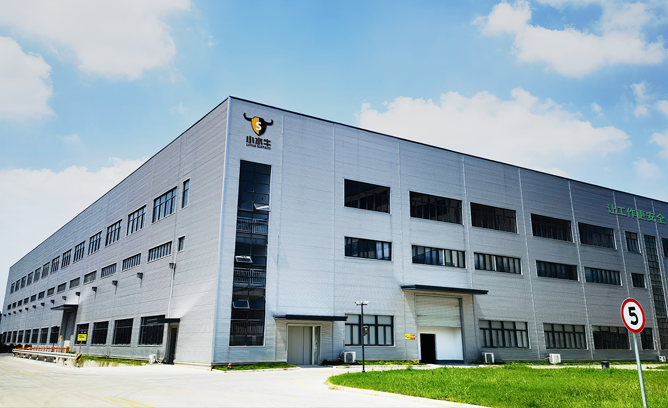
Achieving world-class safety barrier quality control is impossible without a fully integrated, highly transparent global supply chain and state-of-the-art manufacturing infrastructure. For international enterprises requiring rapid deployment of safety solutions, the manufacturing partner's supply chain agility is just as critical as the physical properties of the barriers. When evaluating a supplier, it is vital to analyze how they source raw materials, manage production schedules, and coordinate international logistics to ensure that quality remains uncompromised from the factory floor to the final installation site.
Furthermore, a reliable manufacturer maintains comprehensive traceability for every component produced. Through advanced safety barrier quality control protocols, each guardrail, bollard, and rack protector is assigned a unique batch number linked to its raw material source, manufacturing date, and quality inspection record. This level of transparency gives global buyers complete confidence that the products they receive comply fully with international standards, such as ISO 9001:2015, ISO 14001:2015, and OHSAS 18001. By partnering with a vertically integrated manufacturer, industrial facilities can secure reliable, high-performing safety barriers that offer long-term peace of mind and unparalleled protection for their most valuable assets.
Partnering with LBT for Uncompromised Protection
For organizations seeking to implement the highest standards of safety barrier quality control, partnering with a proven industrial safety leader is essential. LBT stands at the forefront of polymer-based flexible safety protection, combining advanced material science with exceptional manufacturing capabilities to safeguard global workplaces. Led by a highly experienced research and development team, LBT safety barrier quality control is embedded into every stage of the development process, from proprietary polymer compounding to full-scale simulated scenario impact testing.
Whether you are designing a brand-new automated distribution center or upgrading the safety protocols of an existing manufacturing facility, LBT offers the supply chain agility, custom engineering, and rapid production capabilities needed to deliver superior results on time and within budget. By choosing LBT safety barrier quality control systems, you are investing in durable, high-performance protection that minimizes floor damage, reduces maintenance costs, and ensures your workforce returns home safely every single day. Let LBT help you build a safer, more efficient, and highly resilient operational environment.
 Hot News
2024-06-01
2024-06-25
2024-06-28
2024-09-09