EN
EN

ABOUT US
- Shounan Street URban Industrial Park,YinZhou District,NingBo City, ZheJiang, CHINA.
- +86-15381988180
- [email protected]

Meta Description: Discover how airport safety barriers, baggage handling protection, impact resistant barriers improve warehouse safety, reduce forklift damage, and help industrial facilities lower maintenance costs while protecting people and assets.
Focus Keywords: airport safety barriers, baggage handling protection, impact resistant barriers
Introduction
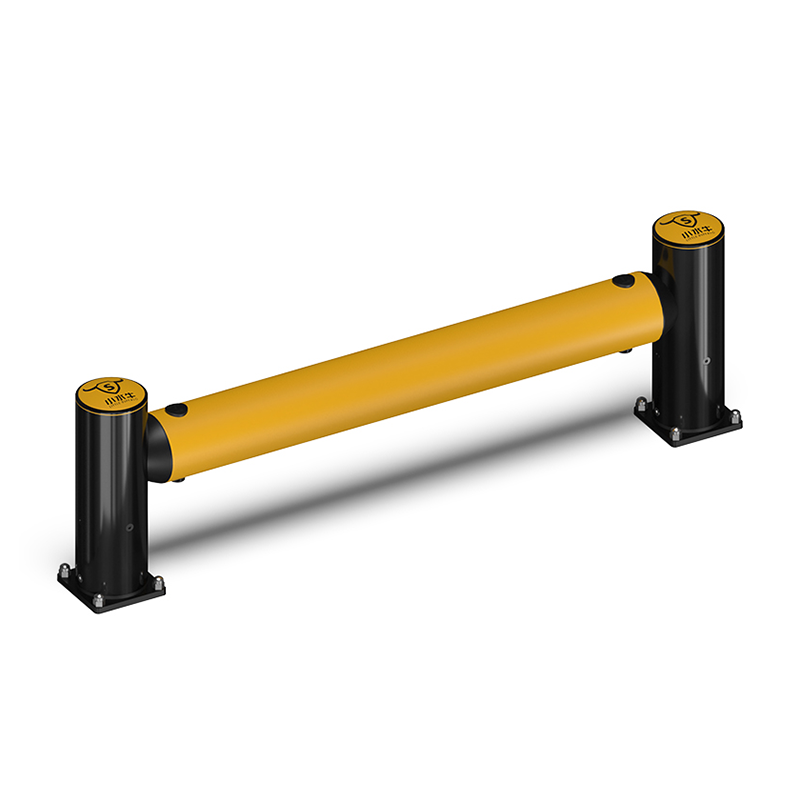
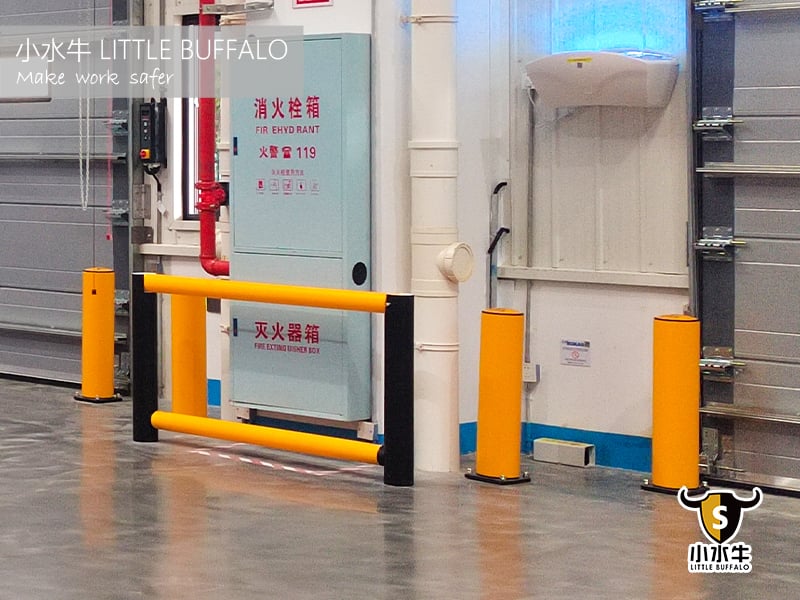
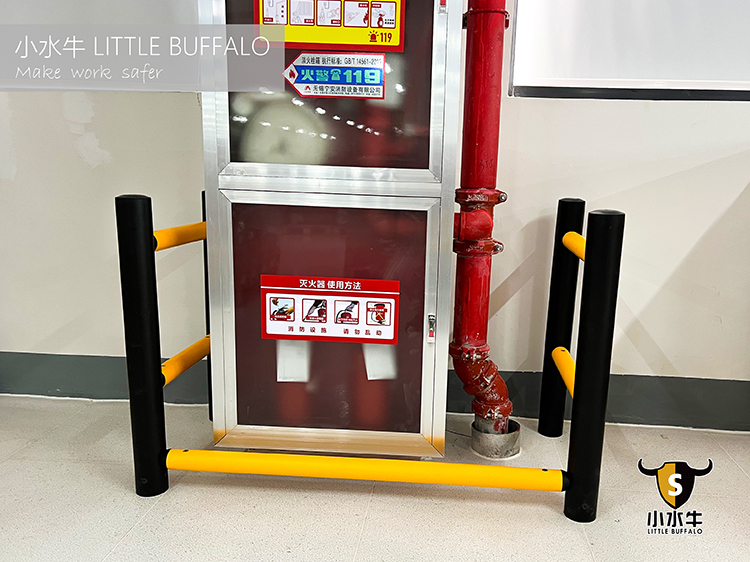
Modern warehouses and logistics facilities face increasing pressure to improve safety, reduce downtime, and maintain operational efficiency. Flexible polymer safety barriers are becoming the preferred solution because they absorb impacts, protect pedestrians, and minimize repair costs compared with traditional steel systems. Facilities using forklift protection barriers and warehouse traffic management systems can better separate vehicles from workers while protecting racking, loading docks, machinery, and infrastructure. High-visibility barrier systems also support compliance objectives and improve operational organization across manufacturing plants, distribution centers, and food processing environments.
Unlike conventional steel barriers that bend permanently after impact, advanced polymer barriers flex and recover, helping companies reduce maintenance costs and replacement frequency. This makes them particularly suitable for high-traffic industrial environments where forklifts, pallet jacks, and automated guided vehicles operate continuously. Businesses investing in warehouse safety solutions often prioritize long-term ROI, lower operational disruption, and scalable modular systems that can adapt to changing facility layouts.
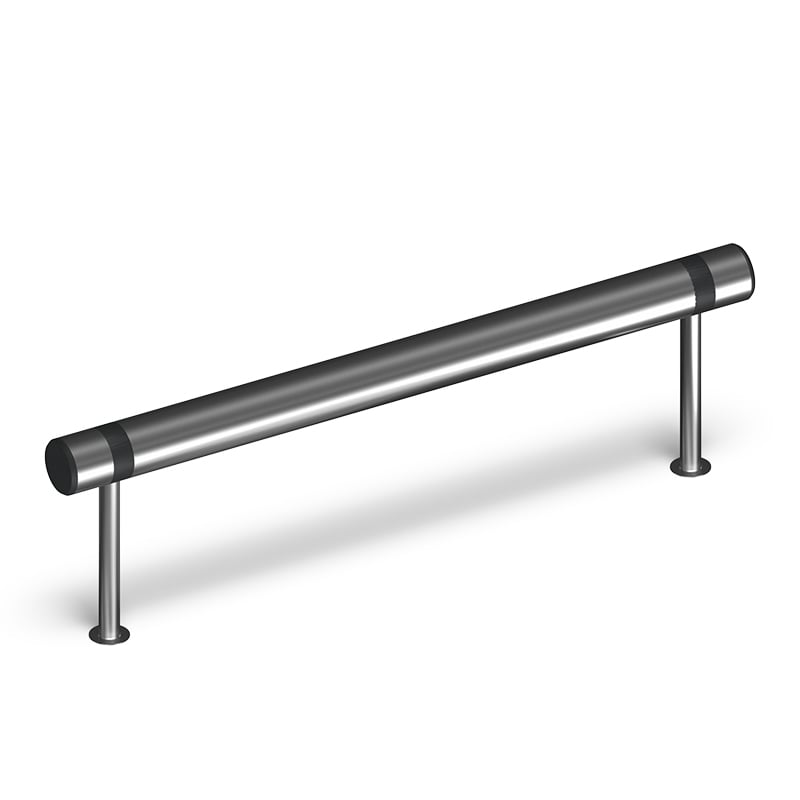
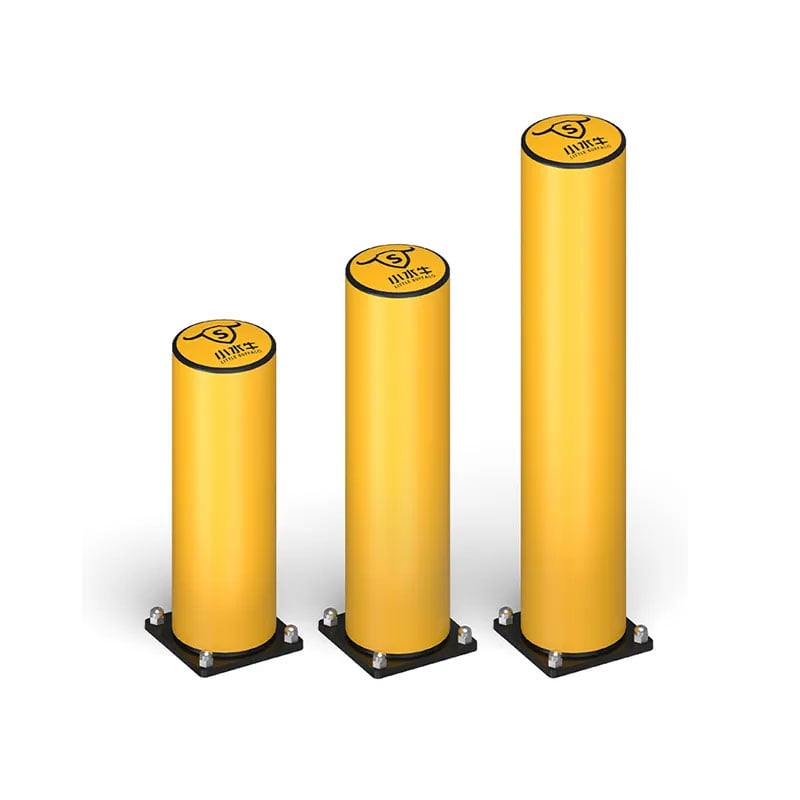
For B2B buyers, selecting the right industrial barrier solution involves evaluating impact resistance, installation flexibility, environmental conditions, and total lifecycle cost. Solutions such as pedestrian guardrails, rack protection systems, loading dock barriers, and impact-resistant bollards can create safer workflows while improving facility productivity. Companies that adopt proactive safety infrastructure often experience fewer accidents, lower maintenance expenses, and stronger operational continuity.
When optimizing warehouse safety investments, decision-makers should work with suppliers that provide tested products, engineering support, and customized layouts for specific industries. Whether operating in logistics, cold storage, airports, manufacturing, or retail distribution, modern industrial facilities benefit from flexible safety barriers designed for durability, visibility, and repeat-impact performance.
Why This Matters for B2B Buyers
B2B procurement teams are increasingly evaluating workplace safety solutions based on long-term operational savings, compliance support, and durability. Flexible polymer barriers are widely used in warehouses, logistics hubs, manufacturing facilities, and airports because they help reduce collision damage while improving safety management. By implementing modular barrier systems, companies can improve traffic flow, protect employees, and create scalable infrastructure for future operational growth.
Conclusion
Industrial safety investments should balance protection, maintenance efficiency, and operational productivity. Companies seeking warehouse safety barriers, forklift protection systems, or loading dock protection solutions should prioritize durable polymer systems engineered for repeated impacts and long-term performance.
 Hot News
2024-06-01
2024-06-25
2024-06-28
2024-09-09