In busy warehouses, pedestrians and forklifts often need to work in the same environment.
Without clearly defined routes, this interaction can create significant safety risks.
A professional pedestrian safety solution helps separate people from vehicles and creates safer warehouse traffic patterns.
Why Pedestrian Separation Matters
Forklifts can weigh several tons and operate in areas with limited visibility.
A pedestrian entering a forklift operating zone can create a dangerous situation in seconds.
Physical separation provides an additional safety layer beyond signs and floor markings.
Create Dedicated Pedestrian Walkways
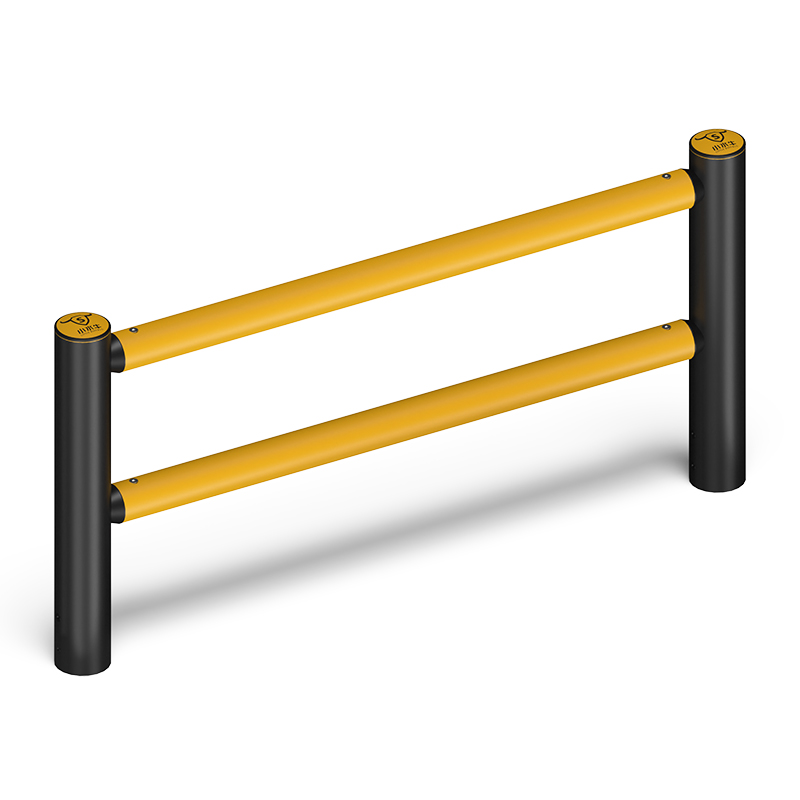
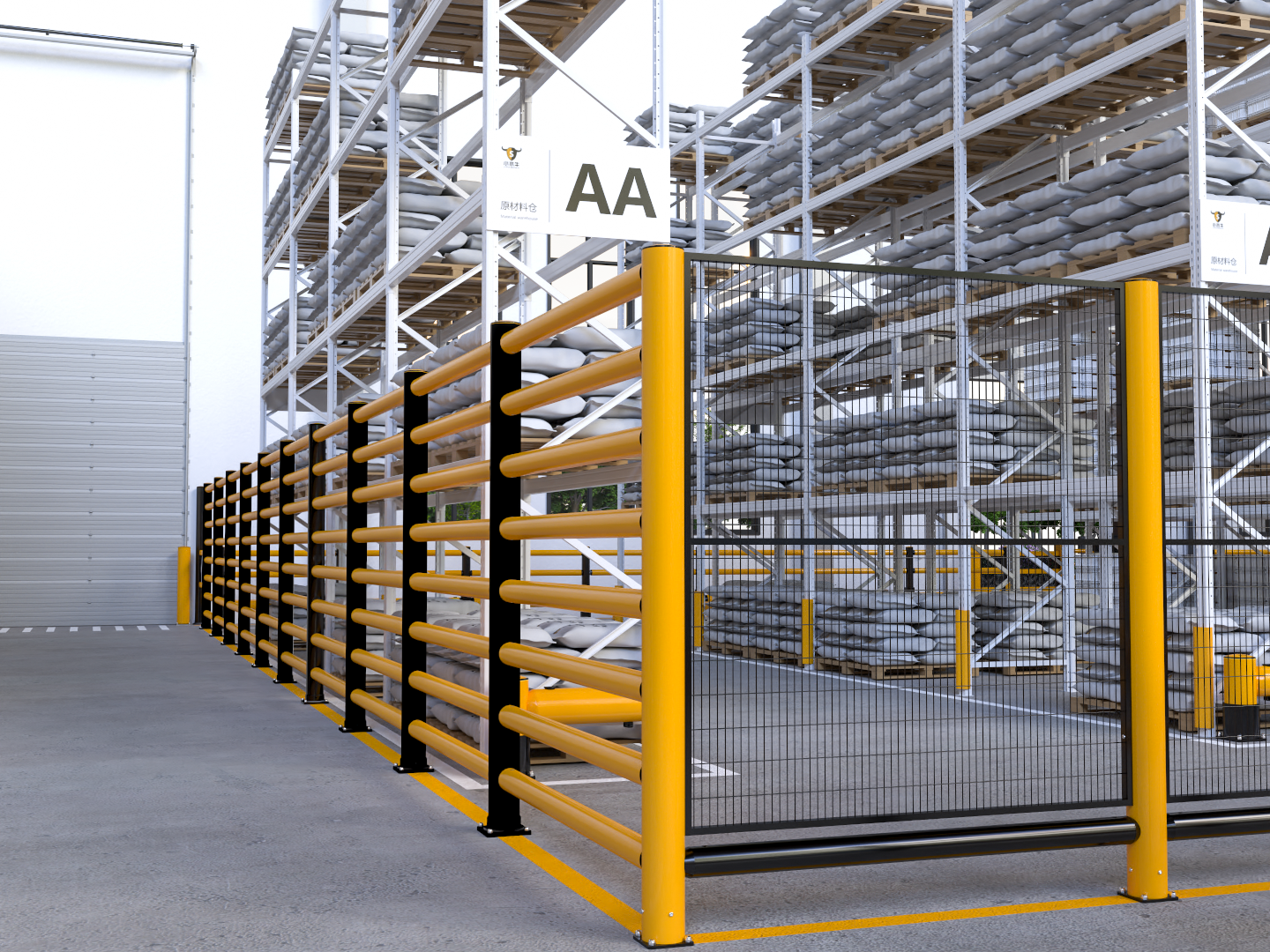
Safety barriers can define protected walking routes.
A good pedestrian route should be
Clearly visible
Easy to follow
Physically separated where necessary
Away from major forklift traffic
Connected to important workplace areas
Protect Pedestrian Crossings
Crossings are particularly important because they bring pedestrians and vehicles together.
Barrier systems can help control access and guide people toward designated crossing points.
Flexible Barriers for Pedestrian Protection
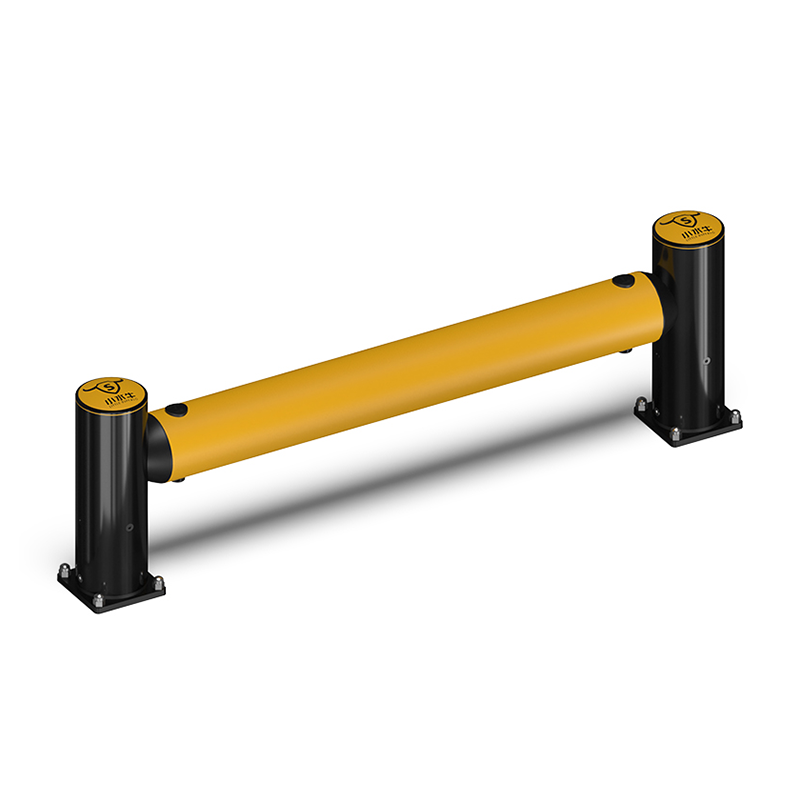
Flexible polymer barriers can provide a combination of visibility, physical separation, and impact resistance.
If a forklift accidentally contacts the barrier, its flexible structure can help absorb the impact.
This makes flexible barriers suitable for high-traffic industrial environments.
Integrate Pedestrian Safety with Facility Protection
Pedestrian safety should not be treated separately from the rest of the facility.
A complete solution can combine
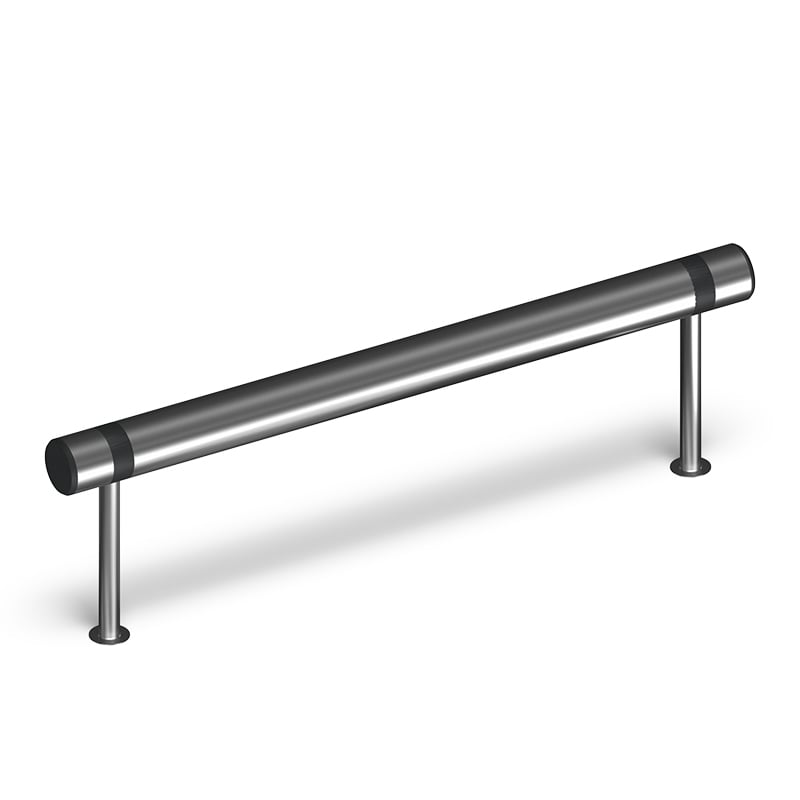
Pedestrian guardrails
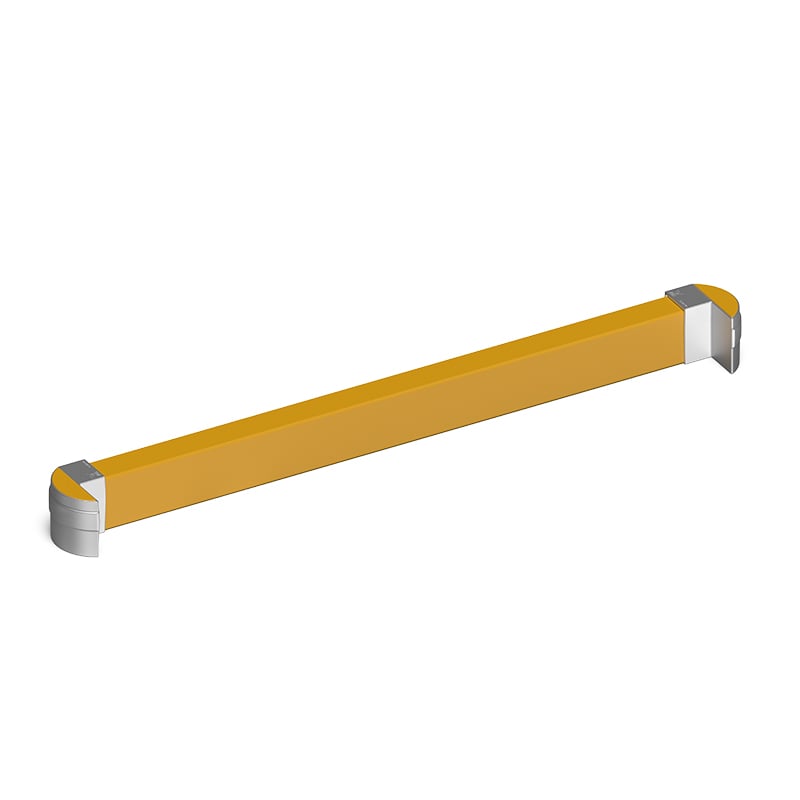
Flexible barriers
Safety gates
Forklift protection
Rack protection
Corner guards
Traffic separation systems
A Safer Warehouse Starts with Better Traffic Design
The goal is not simply to install more barriers.
The goal is to create a logical traffic system where people and vehicles can operate efficiently while minimizing unnecessary interaction.
Separate traffic. Protect people. Improve warehouse safety.
 EN
EN


 Hot News