EN
EN

ABOUT US
- Shounan Street URban Industrial Park,YinZhou District,NingBo City, ZheJiang, CHINA.
- +86-15381988180
- [email protected]

In modern industrial environments, choosing the right safety barrier is critical for protecting people, equipment, and infrastructure. Two of the most common options are flexible guardrails and traditional steel guardrails. But which one is better for your facility?
🔍 Steel Guardrail: Strong but Rigid
Steel guardrails have long been used in warehouses and factories due to their high strength. However, when impacted by forklifts, they tend to deform permanently. This leads to:
Frequent maintenance and replacement
Potential floor damage
Increased long-term costs
🔄 Flexible Guardrail: Absorb & Rebound
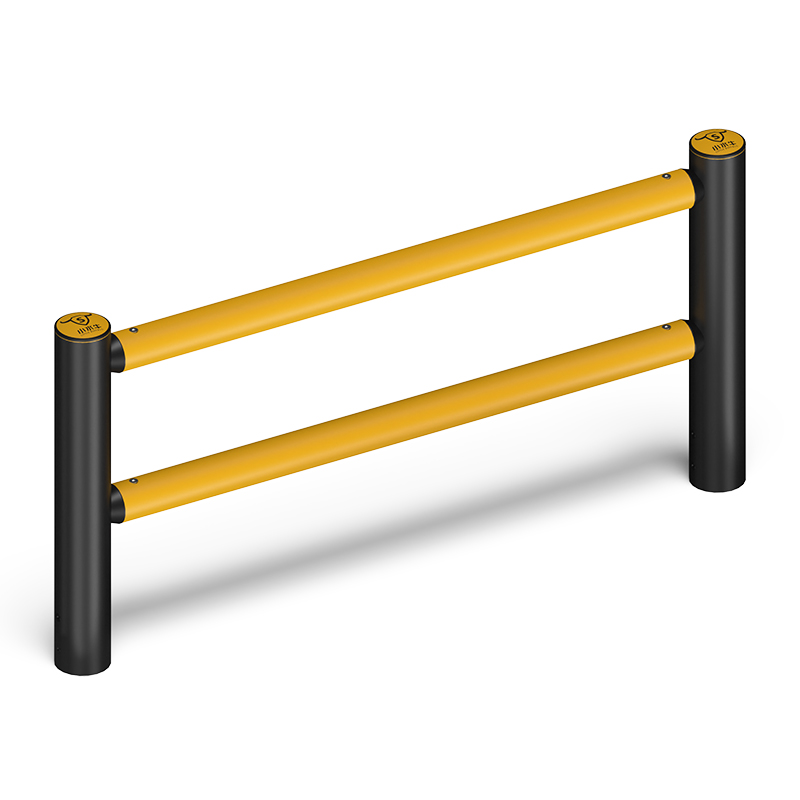
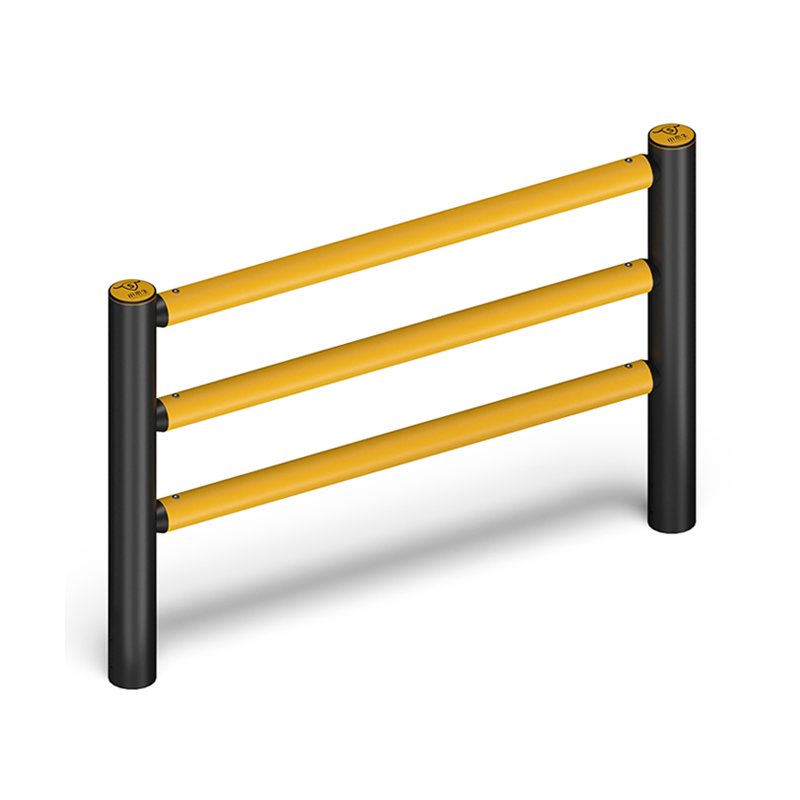
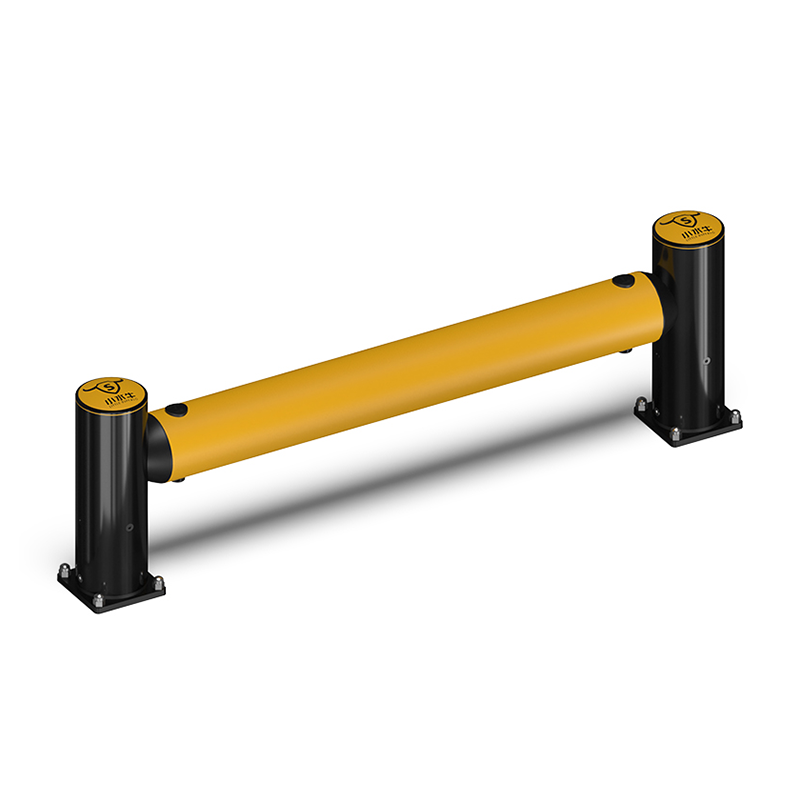
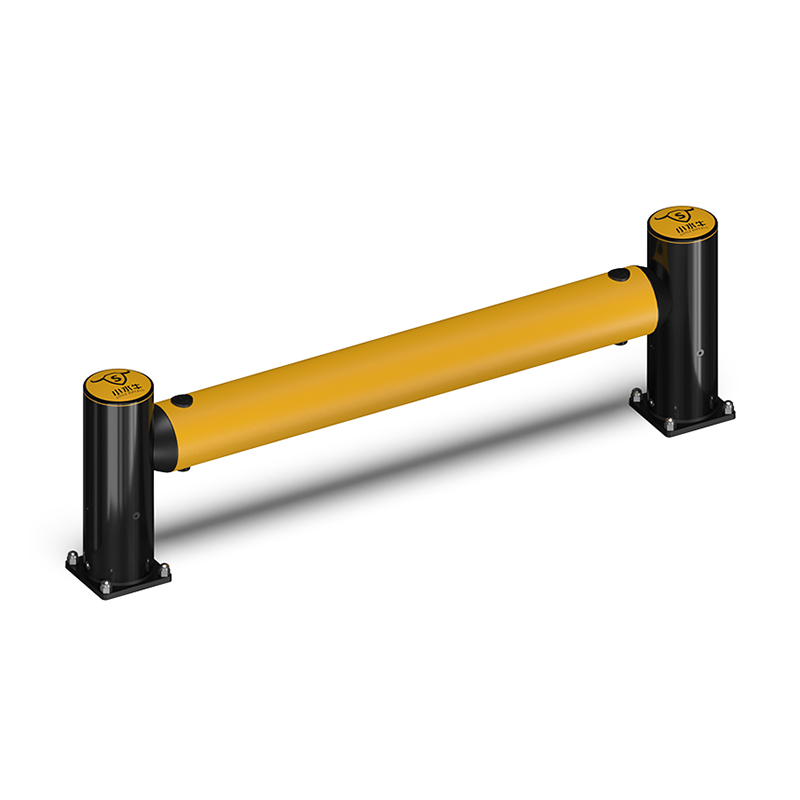
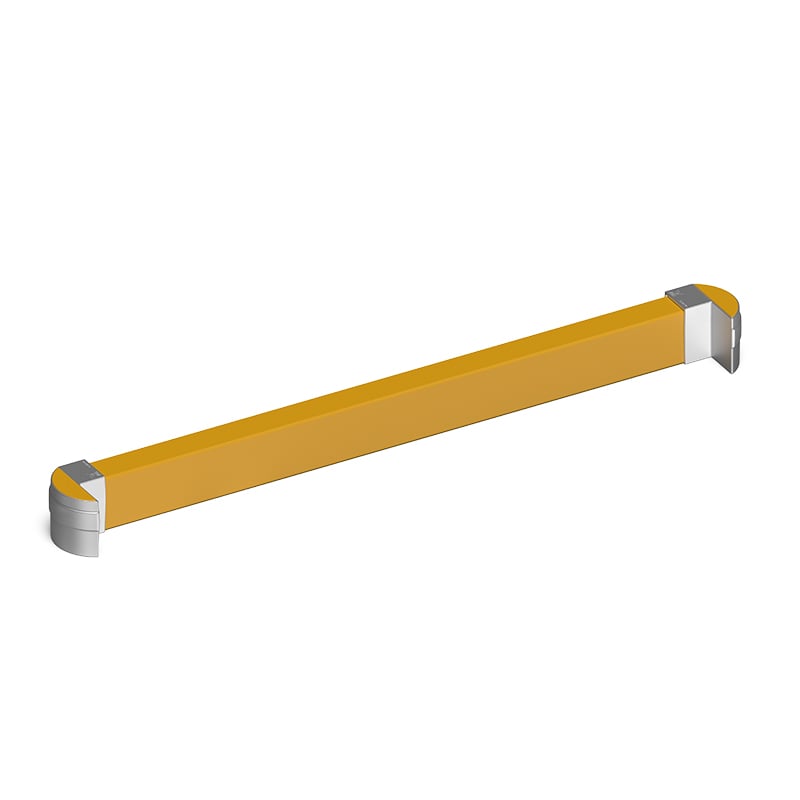
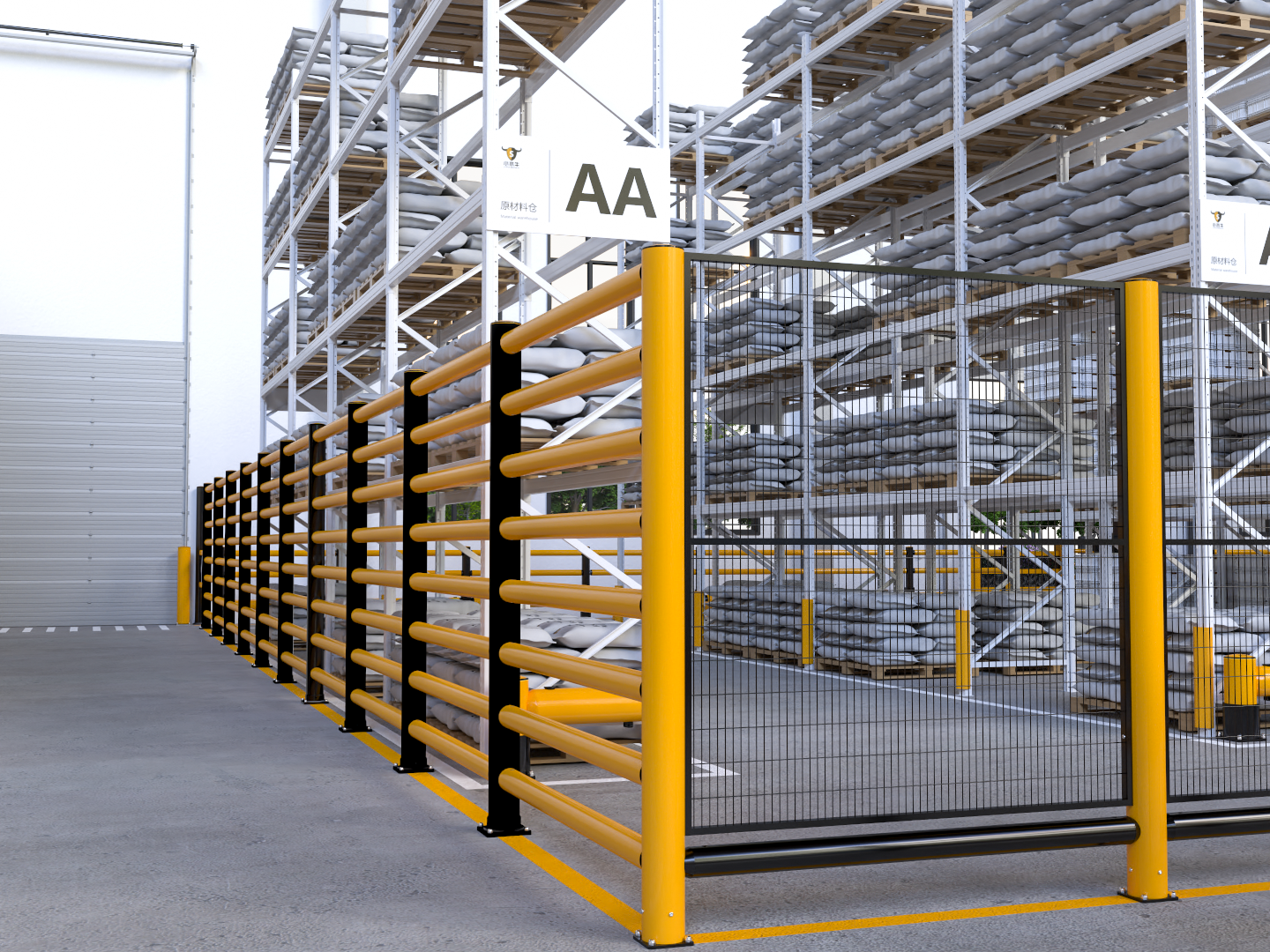
Flexible guardrails, made from high-performance polymer materials, are designed to absorb impact energy and return to their original shape. Leading global brands such as A-SAFE and Boplan have demonstrated the effectiveness of this technology.
Key advantages include:
Impact absorption reduces damage
No permanent deformation
Lower maintenance costs
Improved workplace safety
⚖️ Which One Should You Choose?
If your facility has frequent forklift traffic, flexible guardrails offer a more cost-effective and safer long-term solution. While steel may seem cheaper upfront, the lifecycle cost is often higher.
🚀 Conclusion
Flexible guardrails are becoming the preferred choice in modern warehouses due to their durability, safety performance, and cost efficiency.
👉 Looking for a cost-effective alternative to premium brands? Contact Littlebuffalo for tailored solutions.
 Hot News
2024-06-01
2024-06-25
2024-06-28
2024-09-09