Modern warehouses are under constant pressure to move goods faster while keeping employees, forklifts, automated equipment, racks, doors, and building structures protected. As traffic density increases, traditional painted lines and rigid steel barriers may not provide enough protection for every high-risk area. A well-planned warehouse safety system combines traffic separation, impact protection, pedestrian control, equipment protection, and clear visual management. Flexible Industrial Guardrails are increasingly used as a practical part of this approach.
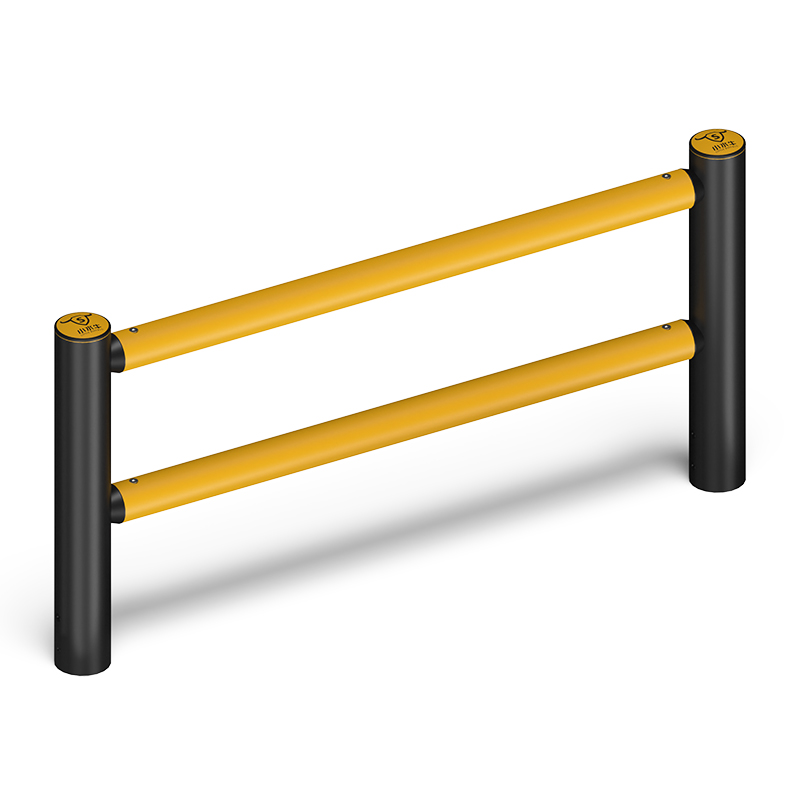
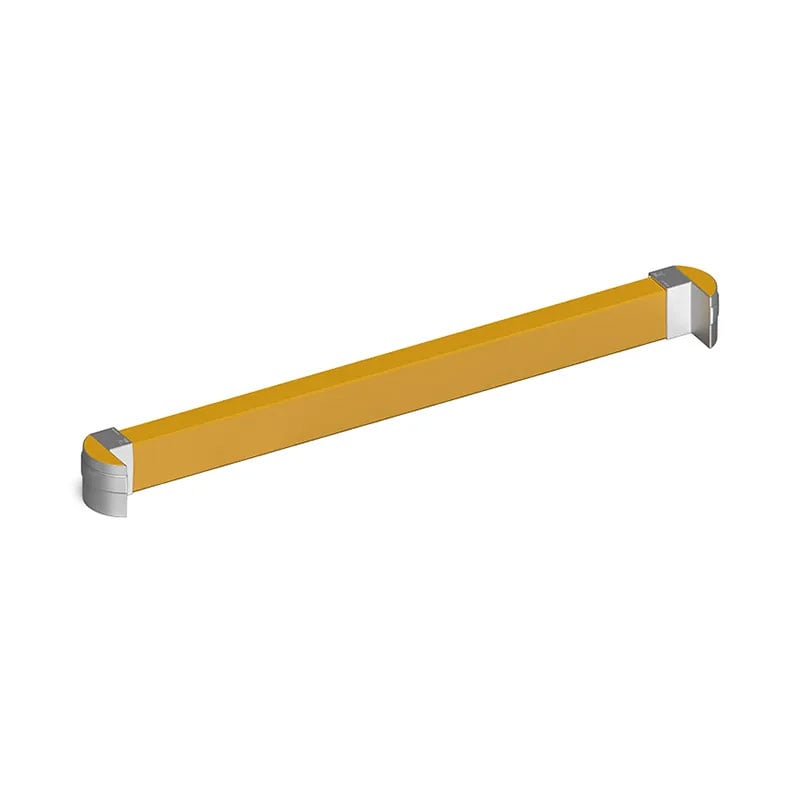
A Flexible Industrial Guardrail is a polymer-based industrial safety barrier designed to create a physical buffer between moving vehicles, people, equipment, and infrastructure. Unlike a conventional rigid steel barrier, a flexible barrier is designed to flex under impact and recover its shape after the force is removed. This behavior can help reduce damage caused by routine forklift contact and can lower the frequency of replacement and repair.
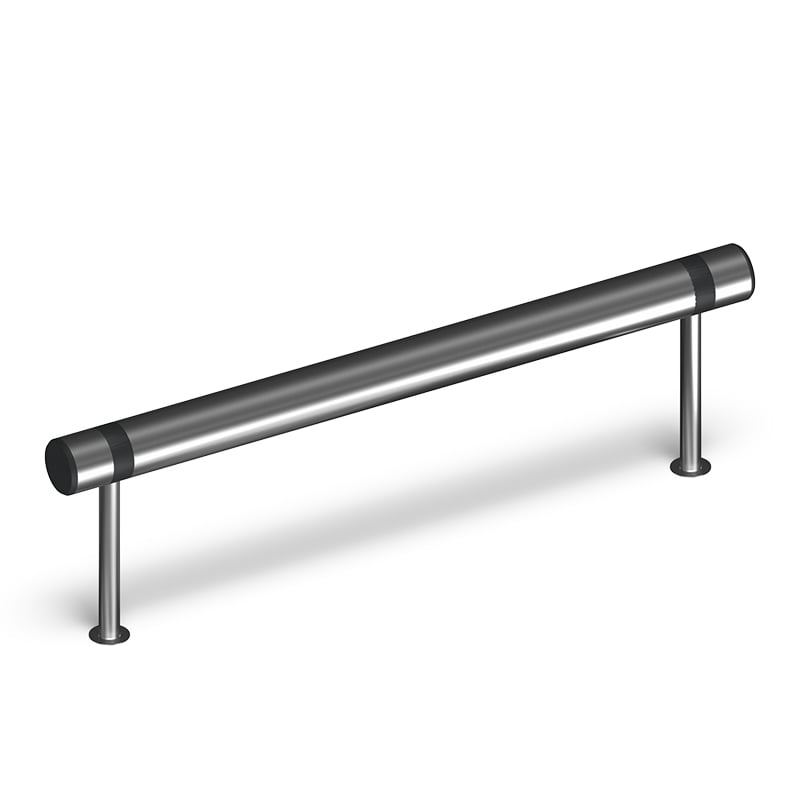
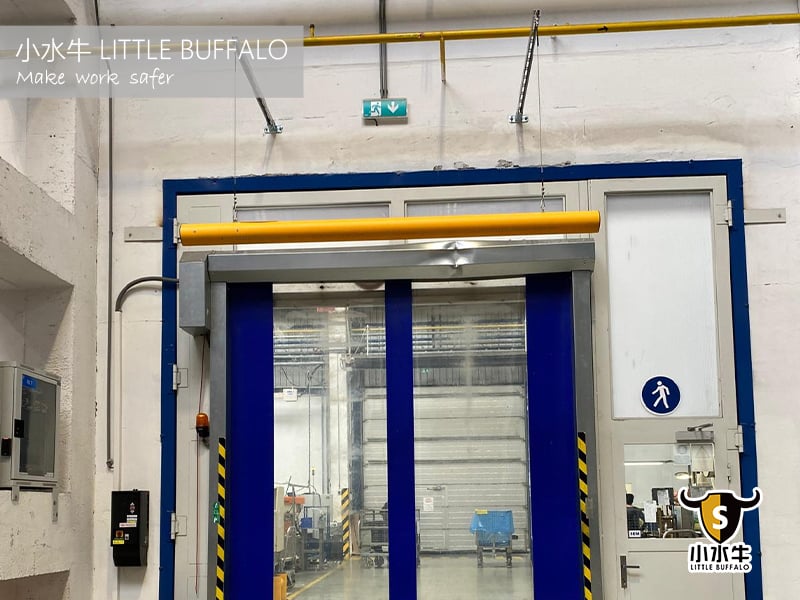
For warehouses, the value of a Flexible Industrial Guardrail goes beyond impact resistance. The barrier can define pedestrian walkways, protect rack ends, separate forklift lanes, shield machinery, protect doors and walls, and create controlled access areas. Because the system is modular, warehouse managers can configure protection according to the actual layout instead of applying one standard barrier everywhere.
Why Flexible Industrial Guardrails Matter in Warehouses
Forklifts are among the most common sources of accidental impact inside warehouses. A small steering error can send a pallet truck or forklift toward a rack, column, wall, door, or pedestrian route. Repeated low-speed contact can gradually damage infrastructure even when no major accident occurs.
A Flexible Industrial Guardrail provides a visible physical boundary. Its high-visibility appearance helps operators recognize protected areas, while its flexible polymer structure provides a buffer between vehicles and assets. This is particularly useful around rack ends, loading areas, machinery, production lines, and warehouse corners.
A warehouse safety plan should begin with traffic analysis. Managers can identify forklift routes, pedestrian crossings, blind corners, loading zones, emergency exits, and areas where valuable equipment is exposed. A Flexible Industrial Guardrail can then be positioned at the points where physical separation provides the greatest practical benefit.
The modular design also makes future changes easier. Warehouse layouts often change because of new racks, automation projects, seasonal storage, or production expansion. A modular flexible barrier system can be extended, repositioned, or combined with flexible bollards and other protection products.
Key Product Features
The first feature is flexibility. A Flexible Industrial Guardrail is designed to absorb and distribute impact through controlled deformation rather than relying only on rigid resistance. This can help protect both the barrier and the infrastructure behind it.
The second feature is self-recovery. After a suitable impact, the polymer structure can return toward its original position. This characteristic is valuable in high-traffic warehouses where occasional contact may be unavoidable.
The third feature is visibility. Bright safety colors and clear physical boundaries make protection easier to identify. A visible warehouse safety barrier can support better separation between pedestrian and vehicle routes.
The fourth feature is environmental resistance. Industrial warehouses may experience temperature changes, moisture, cleaning chemicals, UV exposure, and heavy daily use. Polymer protection systems can be selected for demanding environments, including cold storage and logistics facilities.
The fifth feature is modular installation. Straight barriers, corner configurations, equipment protection, rack-end protection, and pedestrian separation can be combined into one warehouse protection plan.
Building a Complete Warehouse Protection System
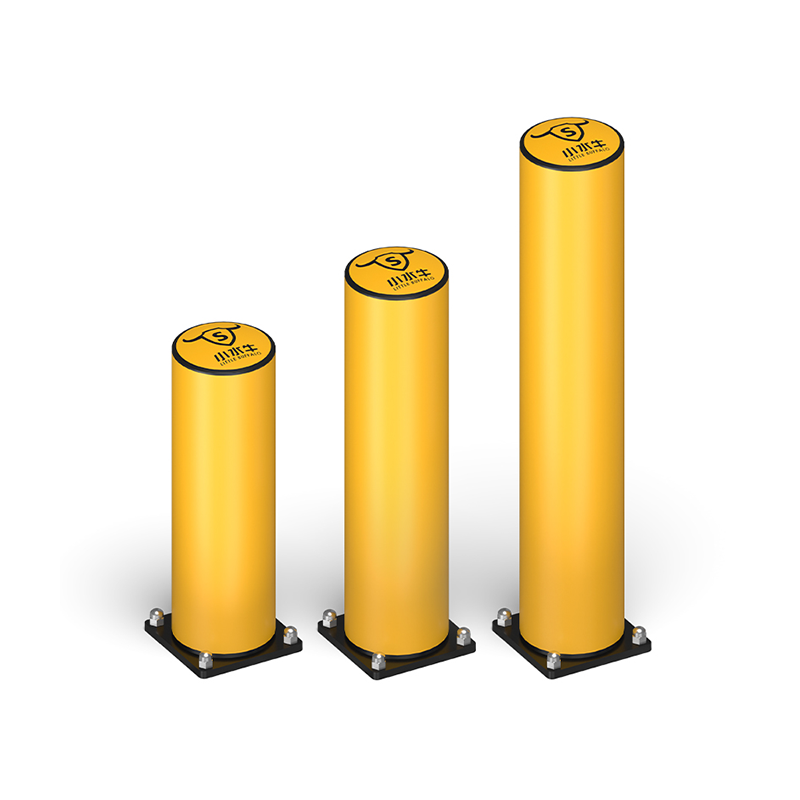
A single product cannot solve every warehouse safety problem. A complete system may combine a Flexible Industrial Guardrail with flexible bollards, rack protection, ground barriers, height warning columns, door protection, and pedestrian barriers.
Rack ends are often exposed to turning forklifts. A flexible rack protection solution can create a buffer before the vehicle reaches the rack frame. Columns and walls can receive similar protection. At entrances, flexible bollards can protect door frames and building corners.
Loading areas require another approach. Vehicle movement, pallet handling, dock equipment, and pedestrian activity can occur within a small space. A Flexible Industrial Guardrail can define safe routes and protect the dock perimeter.
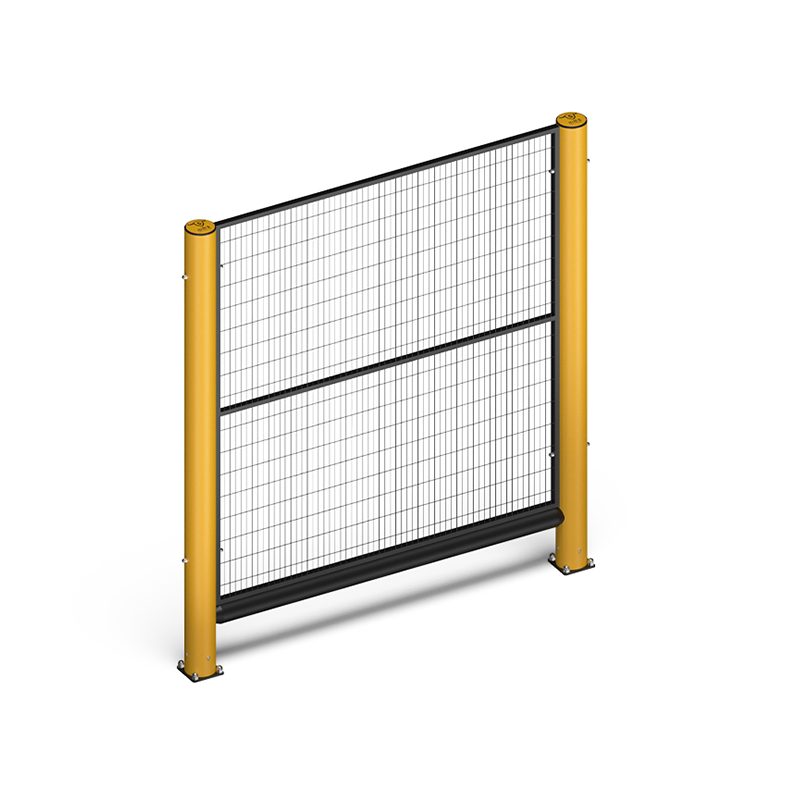
The same principle applies to production areas. Machines may be expensive and difficult to repair. A flexible equipment protection barrier can create separation without making the workplace feel unnecessarily restrictive.
Production Quality and Customization
The performance of a warehouse barrier begins with material selection and manufacturing. High-molecular polymer materials must be selected according to flexibility, strength, recovery behavior, and environmental requirements. Molding parameters, component assembly, fixing systems, and final inspection all influence product consistency.
For B2B projects, customization is often important. Warehouse dimensions vary significantly, so customers may need different lengths, heights, colors, connection methods, and layouts. A professional manufacturer should be able to review drawings, site photographs, traffic routes, and protection requirements before recommending a configuration.
Little Buffalo focuses on flexible anti-collision protection and can support OEM and customized projects. The goal is not simply to supply individual barriers, but to help customers create a practical anti-collision safety solution.
Conclusion
A modern warehouse needs protection that works with daily operations rather than against them. Flexible Industrial Guardrails provide a combination of impact protection, visibility, modular installation, and application flexibility. When combined with rack protection, flexible bollards, pedestrian separation, loading dock protection, and equipment barriers, they can become an important part of a complete warehouse safety strategy.
If you are planning a warehouse safety upgrade, send your layout, dimensions, photos, or application requirements to Little Buffalo. Our team can review the site conditions and provide a suitable Flexible Industrial Guardrail and anti-collision safety solution.
 EN



 Hot News
